Coordinated bomb and arson attacks struck Thailand’s deep south in a four-hour window, prompting a curfew and a national security huddle.
Story Highlights
- Thai security officials reported coordinated attacks across southern provinces on August 22, 2026.
- Authorities logged 51 incidents spanning multiple districts, with bombings and arson among the tactics.
- A curfew under the Martial Law Act was imposed in Narathiwat overnight as forces surged patrols.
- Prime Minister Anutin convened an urgent meeting with top security leaders in Bangkok.
Officials Describe A Coordinated Night Of Attacks
Thai security authorities said multiple coordinated incidents hit from about 8 p.m. to midnight on Saturday across the southern border region. Officials described bombings, arson, and damage to property, including local government sites, shops, vehicles, and infrastructure. The Internal Security Operations Command cited the southern insurgency backdrop that has simmered for years in these provinces. Early injury counts ranged from two to three people hurt as reports came in from local hospitals and police.
The Internal Security Operations Command Region 4 Forward Command reported a total of 51 incidents across 21 districts in Narathiwat, Pattani, and Yala. That figure provides a sense of scale even as some media framed broader or narrower totals in fast-moving coverage. Officials noted damage to telecommunications towers, electrical poles, and railway materials, signaling an aim to disrupt daily life and movement. Security units issued public warnings urging residents to avoid suspicious items and report threats.
Curfew And Heightened Patrols Follow The Blasts And Arson
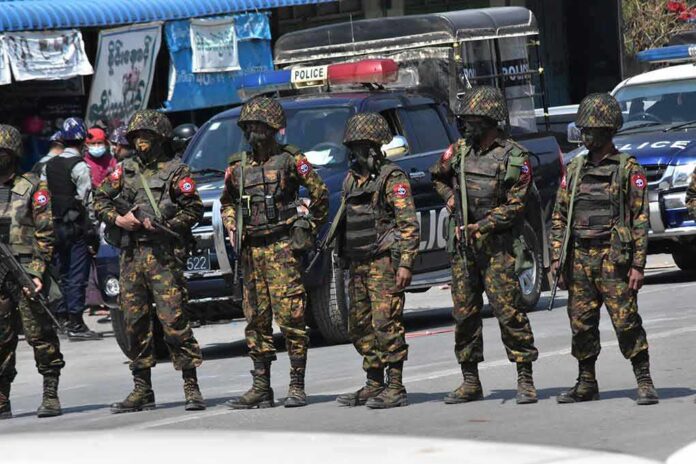
The Narathiwat Task Force imposed a curfew starting at 10:15 p.m. Saturday through 6 a.m. Sunday under the Martial Law Act of 1914. Authorities said the restriction would help stabilize the situation, protect civilians, and let responders clear hazards. Soldiers and police increased checkpoints and patrols across key roads. Units focused on preventing follow-on strikes and securing sites with damaged power lines and towers. The army also issued warnings to the public about possible secondary devices.
Reports from the ground listed damaged convenience stores, government offices, and vehicles, with some fires set at night to spread shock and draw in first responders. Railway sleepers and roadside structures were targeted in a pattern seen in past flare-ups. The tactics matched prior cycles in the southern conflict, where small teams strike multiple soft targets to strain security coverage and create fear. Casualty reports remained limited, but the damage to services and trade was immediate.
Prime Minister Orders An Urgent Security Meeting
Prime Minister Anutin Charnvirakul called top security officials to Government House for an urgent assessment. Leaders reviewed incident maps, force posture, and next steps to protect civilians and restore services. The prime minister’s team directed tighter surveillance and coordination with provincial leaders. The meeting signaled national-level focus on a local insurgent theater that can spill across borders and disrupt travel. Officials said the goal was to restore calm while pursuing those behind the strikes.
Police have stepped up security along the Malaysia-Thailand border following more than 50 bombings, arson attacks on local government offices and tyre-burnings reported in three provinces of southern Thailand on Saturday (Aug 22).
Inspector-General of Police (IGP) Tan Sri Mohd… pic.twitter.com/VtoobXcP1Z
— The Star (@staronline) August 24, 2026
Wire and official reports placed the attacks in Narathiwat, Pattani, and Yala, the core of the southern insurgency zone since 2004. One account also referenced nearby Songkhla, showing how early counts can vary when many scenes are active at once. No group had publicly claimed responsibility by press time, which is common in this conflict. The broader pattern remains a low-level separatist struggle with bursts of coordinated action and police-military crackdowns that follow.
Why This Matters To U.S. Readers And Travelers
American travelers, missionaries, and business staff pass through southern Thailand’s routes to Malaysia. Coordinated strikes against shops, power lines, and rail can disrupt supply chains and border movement. Attacks on civilian sites aim to shake public trust and force heavy security controls. That creates ripple effects on trade, tourism, and religious freedom. U.S. readers should track advisories and avoid affected districts when curfews and patrols expand after night strikes or holiday flashpoints.
Context: A Long, Grinding Insurgency
Analysts have described the southern conflict as a long-running, low-level insurgency rooted in local separatist aims, not a short-term crime wave. Since 2004, violence in the Muslim-majority provinces has ebbed and flowed, with thousands killed over two decades. Periodic blasts and arson attacks target soft infrastructure, schools, shops, and local officials. The August attacks match that pattern, using many small strikes to stretch security forces and gain attention at a low immediate cost to the attackers.
Sources:
youtube.com, abcnews.com, aljazeera.com, thestar.com.my, nationthailand.com, thailandnews.co, x.com