
A royal fights to erase police search warrants as a misconduct probe tied to Jeffrey Epstein grinds on in Britain.
Story Snapshot
- Andrew Mountbatten-Windsor asked the High Court to quash search warrants tied to his arrest.
- Thames Valley Police says the warrants and its investigation remain before the courts.
- Reports say a judge at the Central Criminal Court signed the warrants on February 18, 2026.
- BBC says he was arrested, questioned, and released under investigation the next day.
High Court Fight Over Police Warrants
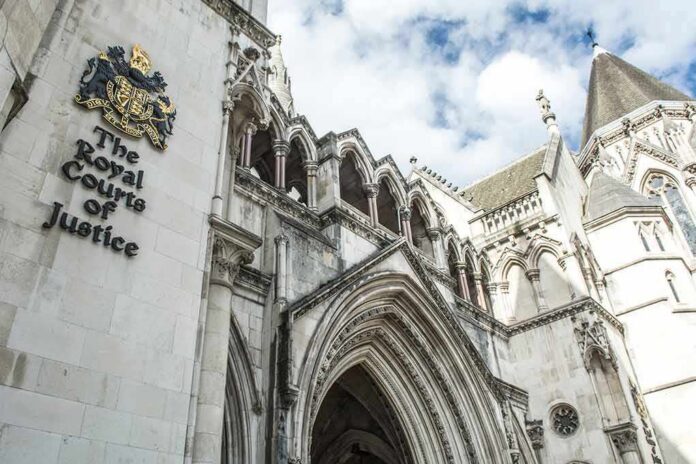
Andrew Mountbatten-Windsor filed a High Court case to throw out search warrants used in a police probe linked to Jeffrey Epstein. Reports say the warrants let officers search the Sandringham Estate and Royal Lodge. The request targets how police got the warrants, not whether the probe should exist. Newsweek and other outlets confirm the filing seeks to quash the orders, which could limit what evidence police can keep if the court agrees.
Thames Valley Police confirmed the warrant issue is now in legal proceedings. The force said its investigation into suspected misconduct in public office is still active while the courts review the warrants. That statement shows police are standing by their process as judges look at it. It also signals the case is not over, no matter what happens with the search orders in the High Court.
What Triggered The Probe And Arrest
Public reports tie the probe to claims that Andrew shared confidential information with Jeffrey Epstein while serving as a United Kingdom trade envoy. The British Broadcasting Corporation says emails in the Epstein files spurred questions from police. Officers arrested Andrew on February 19, 2026, questioned him, then released him under investigation. No charges have been filed at this stage, which means the claims remain under review.
Coverage also says police are assessing an allegation that a second woman was sent to the United Kingdom for a sexual encounter with Andrew. That potential claim adds more legal risk and public pressure as the process fight plays out. None of these allegations has been proven in court. The police stance remains that the broader inquiry is ongoing, and they will not comment further while it continues.
Who Signed The Warrants And Why It Matters
The Independent reports that a judge at the Central Criminal Court, also known as the Old Bailey, authorized the warrants on February 18, 2026. Judicially issued warrants carry a presumption that police followed the law. That puts the burden on Andrew’s legal team to show a concrete legal flaw in how the warrants were obtained. If the High Court finds a defect, it could suppress some evidence or narrow what police can review.
Reuters reported that government files show there was no formal vetting when Andrew was named trade envoy years ago. That fact shapes public trust in how his role was managed. It does not decide whether misconduct happened, but it explains why investigators are digging into old contacts and communications. The High Court case now tests process, while police continue to check facts behind the headlines.
Why Americans Should Care About This
This fight shows how elites use process battles to shape what the public learns. Courts in the United Kingdom, like in the United States, weigh how police get warrants and how they use seized material. That is a core rule-of-law issue that conservatives watch closely. Clean warrants protect liberty. Weak warrants invite abuse. The answer here should come from open law, not from palace pressure or media spin.
Andrew Mountbatten-Windsor is taking legal action against Thames Valley Police over search warrants issued before his arrest in February.
The former Prince Andrew was arrested on suspicion of misconduct in public office, in the wake of information that emerged from the Epstein… pic.twitter.com/55UsTLm9TL
— Nationwide90FM (@NationwideRadio) October 5, 2026
For readers who value due process, two truths can stand together. Police should follow the law when they seek private data and search homes. Courts should slam the door if officers cut corners. But if judges find the warrants were sound, investigators should press on and, if the facts support it, bring charges. Sunlight and judicial checks, not special treatment, are how we defend equal justice and keep powerful people honest.
Sources:
insiderpaper.com, independent.co.uk, aol.co.uk, saudigazette.com.sa, irishexaminer.com, bbc.com