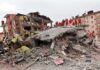
Israel has repeatedly struck areas of Gaza it told civilians to flee to — and the evidence is now documented by satellite data, forensic investigators, and multiple independent news organizations.
Story Snapshot
- Israel issued evacuation orders directing Gaza civilians to specific “safe zones,” then launched airstrikes in those same areas shortly after.
- Forensic Architecture documented that Israel bombed areas inside its own designated humanitarian zones, calling them “inhumane zones” rather than safe ones.
- Satellite imagery and Airwars data show strikes increased in southern Gaza immediately after evacuation orders directed civilians there.
- The United Nations Office of the High Commissioner for Human Rights calls Israel’s evacuation orders “forcible transfer,” saying nowhere in Gaza is truly safe.
Civilians Told to Move — Then Struck Where They Moved
Israel’s military issued dozens of evacuation orders throughout the Gaza conflict, directing civilians to move south and into designated safe areas. But multiple investigations found strikes followed civilians into those very zones. An Airwars investigation tracked at least 127 separate reports of civilian harm from explosive weapons in southern Gaza in just the first seven days after the October 2023 evacuation warning went out. CNN confirmed Israel struck at least three sites where it had previously told civilians to go.
The Israel Defense Forces (IDF) says it targets only “terror sites, including weapon storage areas and operational centers,” and accuses Hamas of hiding military assets inside civilian buildings. Israel argues these structures become legitimate military targets under that reasoning. The IDF also issued advance warnings before strikes, which it says fulfills its legal duty under international humanitarian law. But critics point out that warnings mean little when every designated safe area becomes a strike zone.
Forensic Evidence Challenges the “Safe Zone” Label
Forensic Architecture, an independent research group, released two major reports examining Israel’s actions. Their May 2024 “Inhumane Zones” report used video evidence to show Israeli missiles landing inside the boundaries of the expanded humanitarian area Israel itself announced on May 6, 2024. A March 2024 report concluded that Israel’s evacuation orders did not protect civilians — instead, they moved people into areas where attacks continued.
Amnesty International examined nine airstrikes and found no evidence of fighters or military targets nearby at the time of the attacks. NBC News identified at least seven Israeli strikes between January and April that hit IDF-designated safe zones. The pattern is hard to dismiss as coincidence. Satellite data from Sentinel-1 imagery showed bombardment in southern Gaza actually increased after evacuation orders pushed civilians there.
A Shrinking Map With Nowhere Left to Go
Oxfam analyzed all evacuation orders Israel issued between March 18 and May 26, 2025 — a total of 31 orders, averaging one every 2.3 days. By late May 2025, 81 percent of the Gaza Strip was under evacuation orders or active military operations. The United Nations Office of the High Commissioner for Human Rights (OHCHR) stated plainly that Israel’s repeated evacuation orders amount to “forcible transfer” of the Palestinian population, a serious violation under international law.
🟥 UPDATE NUMBER THREE | 16 JULY 2026
🔳 Journalists on the Ground
🟥 GAZA
🔳 “They lied to you when they told you there was a ceasefire.” Those were the words of a Palestinian from Gaza, describing a reality in which airstrikes, shelling, killings and displacement have… pic.twitter.com/9siVWD7Q8X
— shameen suleman (@shameensuleman) July 16, 2026
Hamas does bear responsibility for using civilian areas to conduct military operations, which complicates Israel’s targeting decisions in a dense urban battlefield. That is a real and serious problem. But the documented pattern — evacuation orders followed by strikes in the same zones, confirmed by satellite data, forensic analysis, and multiple news investigations — raises questions that go beyond the fog of war. When 81 percent of a territory is under evacuation orders and strikes follow civilians wherever they go, the “safe zone” label loses all meaning.
Sources:
cbc.ca, npr.org, voanews.com, cnn.com, en.wikipedia.org, aljazeera.com, committees.parliament.uk