Amy Acton’s on-camera remark comparing masked federal immigration agents to the Ku Klux Klan ignited a fight over law enforcement accountability and campaign judgment in the final stretch before Ohio’s midterms.
Story Snapshot
- Acton asked if masked, unidentified federal agents “feel like the Ku Klux Klan,” drawing backlash.
- She later said she meant Minneapolis immigration raids, not police in general.
- Republicans amplified the clip to question her fitness for governor.
- Large-scale, masked federal deployments in Minneapolis are documented and legal, but contested.
What Acton Said And Why It Escalated
Amy Acton, the Democratic nominee for Ohio governor, spoke at the City Club of Cleveland in late June. She described “people wearing masks, with all the gear on,” and asked, “Does this not feel like the Ku Klux Klan to anyone?” The remark quickly spread in campaign ads and on social media. Republicans said she insulted law enforcement. Acton later said the comment was about masked, unidentified federal immigration agents, not local police, and called the clip out of context.
Republican groups and rivals seized on the video to shape voter views. The Ohio Republican Party said Acton compared Immigration and Customs Enforcement to the Ku Klux Klan and claimed she is “not fit” to be governor. That framing became a frequent campaign message. The line of attack focused on the specific words on camera, not a paraphrase, to argue that she crossed a line by equating badge-wearing officers with a racist terror group from U.S. history.
The Minneapolis Backdrop And The Mask Debate
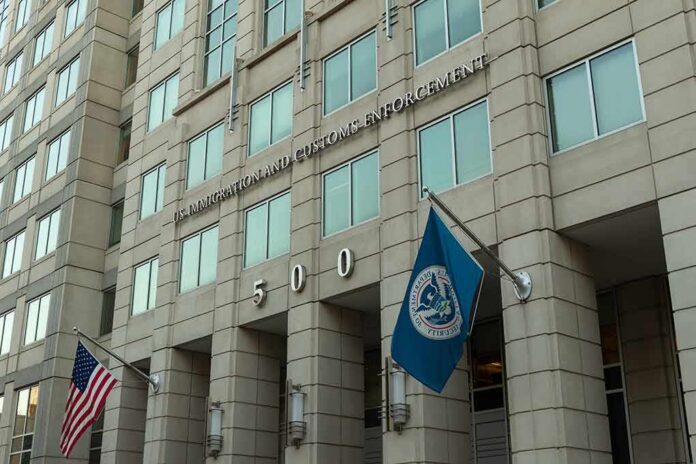
Acton tied her comment to federal immigration raids in Minneapolis. Reports described more than two thousand federal officers in the area and scenes of masked agents in unmarked vehicles. The Department of Homeland Security called it the largest immigration enforcement operation it had ever carried out in the city. Those deployments, and public confusion over who the agents were, fed local anger and national debate over identification and accountability in the field.
Legally, masking by federal officers is not banned by the Constitution, and experts say it is permitted. Some agencies allow masks or covered identifiers to protect officers or operations. Yet legal and policy voices warn that concealment can blur lines of authority and block accountability. In recent years, cities and advocates pushed for visible identifiers during civil disturbances, while the Department of Justice has fought local mask and identification mandates in court.
Why This Resonates With Voters Across Parties
Voters on the right and left share a core worry: powerful people act without clear accountability. The masked-agent issue taps that nerve. Conservatives see rising lawlessness and want firm enforcement, but many also distrust a distant federal bureaucracy. Liberals fear abuse by armed agents who are hard to identify. When a candidate’s words evoke the Ku Klux Klan, that fear intensifies. When a party uses a clip to score points, distrust in politics deepens. Both reactions reflect a deeper loss of trust.
A drunk Ohio Gubernatorial Candidate Amy Acton ridiculously compares ICE agents to the KKK.
Now would be a good time for voters to remember that the KKK was an arm of the Democrat Party that was often engaged in voter intimidation.https://t.co/PkA6ChXgYZ
— GiveMeLiberty (@ru23052) October 30, 2026
The policy stakes are concrete. If masking continues without visible identifiers, people may not know who is arresting them or how to file a complaint. If governments restrict masks too far, officers may face greater risks or lose tools for sensitive operations. Courts have not set a bright line. Analysts say states’ attempts to regulate federal masking are on uncertain legal ground, while federal lawsuits argue officers need flexibility to decide when to reveal identities.
What To Watch Next In Ohio
Watch whether Acton clarifies a firm policy on identification and body-worn markers for federal task forces working with local police. Look for whether Republicans keep the focus on the remark, or outline their own standards for when federal agents should display names or numbers. Also track whether fresh reporting from Minneapolis or elsewhere changes public views on the balance between officer safety and public transparency during raids and protests.
Sources:
mprnews.org, cleveland.com, transcripts.cnn.com, economictimes.indiatimes.com, x.com, olis.oregonlegislature.gov