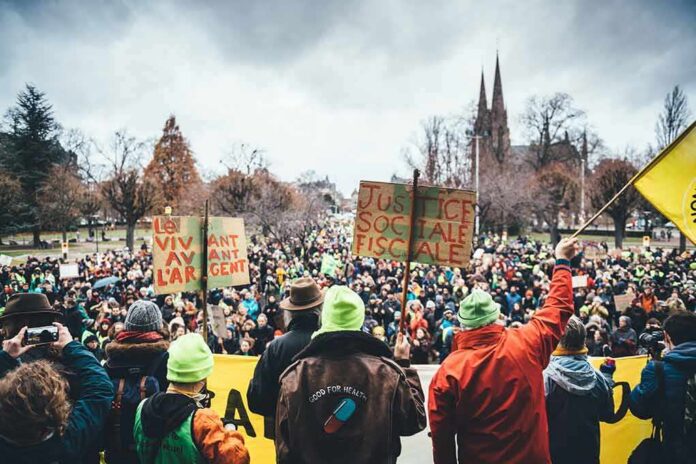
Student-led blockades shut down access to dozens of French high schools, with Paris campuses hit as protests over crowded classes and teacher shortages intensified.
Story Highlights
- Students blocked high schools across France, including sites in Paris, to demand more staff and smaller classes.
- France’s Education Ministry reported hundreds of schools affected nationwide during the latest wave.
- Paris-region officials cited about 10 high schools facing blockade attempts, showing concentrated disruption in the capital area.
- Student organizers urged peaceful action as the movement gained momentum over several days.
Paris-Area Schools Face Blockades Over Resources
Reuters reported that students blockaded dozens of schools on September 29, including outside the Arago school in Paris, to protest overcrowded classrooms and teacher shortages. Euronews said Paris students called for more staff and funding, with blockades in the capital at schools such as Lycée Simone Weil. TRT World reported that nearly 10 of Paris’s roughly 90 high schools were affected by blockade attempts, signaling focused pressure in the city. These reports align on the core cause: resources.
Al Jazeera described slogans like “More hours of lessons than sleep,” underscoring workload and class size concerns. Deutsche Welle reported complaints about heavy workloads, poor materials, and staff shortages, tying grievances to daily learning conditions. Reuters observed momentum building over days as pupils escalated actions to draw attention to staffing gaps and crowded rooms. Across outlets, the message stayed consistent: students said they want enough teachers, smaller classes, and basic materials that work.
Scale Confirmed By Education Authorities
Reuters cited the national Education Ministry stating more than 330 high schools were affected across France during this wave, confirming the scope beyond Paris. Euronews reported officials counted about 10 blockades in the Île-de-France region that includes the capital, reflecting both local and national reach. TRT World put Paris attempts near 10 schools, aligning with regional estimates. While counts vary by outlet, they all place the disruption at a meaningful, measurable scale supported by officials.
Several reports emphasized that student groups coordinated the actions and framed them as peaceful demands for resources. Reuters said the movement gained momentum in recent days, while Deutsche Welle noted teens had been blocking entrances since the previous week. Press TV quoted a student union leader urging peaceful conduct during a call for a nationwide blockade. These details suggest a planned, student-led effort focused on education problems rather than a general political rally.
What Drove The Anger: Overcrowding And Shortages
Al Jazeera quoted a teachers’ union voice who blamed a general lack of resources, citing classes of 32 to 35 students and shortages of teachers and support staff. Deutsche Welle described poor learning materials and heavy workloads along with staffing gaps. Euronews reported calls for more personnel and more funding as students said classrooms were too full and schools lacked basics. These accounts point to structural strains in a centralized system where students say shortages land directly on them.
French authorities detained 625 people during student protests on Wednesday, Interior Minister Laurent Nunez said, following 440 detentions the previous day. Students have been protesting over school timetables, class sizes, teacher shortages and classrooms that became overheated… pic.twitter.com/5g0U7MisxV
— Third Column (@ThirdColumn) October 1, 2026
Outlets also documented the on-the-ground tactics. Students stacked trash bins and formed lines to block gates, forcing partial closures while pressing for talks on staffing and class sizes. Reuters and Euronews each recorded placards and chants that targeted resource issues and national leaders tied to budget control. The actions drew rapid attention because blockades at school doors immediately disrupt schedules, transport, and safety planning, which pressures education officials to respond.
Why This Matters To American Readers
French students said they are fed up with crowded rooms, thin staffing, and worn-out materials. American parents know this story. When a system centralizes power and dollars far from the classroom, the classroom pays first. Today’s scene in Paris shows how fast frustration can boil when leaders delay fixes. Local control, clear budgets, and accountability to families help prevent this spiral. Strong schools start with safe campuses, enough teachers, and a focus on learning over politics.
Sources:
youtube.com, reuters.com, aljazeera.com, amp.dw.com, euronews.com, lemonde.fr