
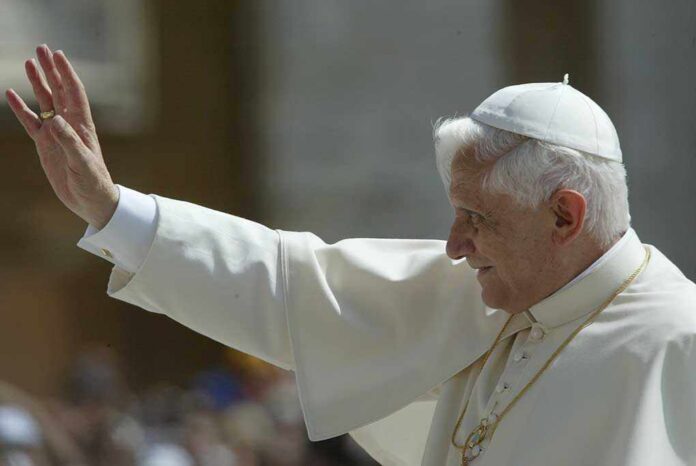
Pope Leo XIV just told the world’s lawmakers that artificial intelligence must never be allowed to strip away human dignity, family, or freedom.
Story Snapshot
- Pope Leo XIV released his first encyclical, “Magnifica humanitas,” on May 25, 2026, warning that AI threatens human dignity, truth, work, and peace.
- He told the International Catholic Legislators Network on August 21 that AI must never erode rights, privacy, or democratic institutions.
- The Pope said the world does not need artificial intelligence that “diminishes humanity.”
- Vatican teaching says human worth never depends on wealth, ability, or output — a direct challenge to AI systems that rank people.
- The warnings span eight months of speeches and writings, all pointing to the same core message: technology must serve people, not replace them.
Pope Releases First Major Teaching On AI
Pope Leo XIV released his first encyclical on May 25, 2026, titled “Magnifica humanitas: On Safeguarding the Human Person in the Time of Artificial Intelligence.” The document came out on the 135th anniversary of Pope Leo XIII’s famous labor teaching, Rerum novarum. Vatican reporting says the encyclical calls for protecting human dignity, truth, honest work, social justice, and peace as machines take on a bigger role in daily life.
The timing was no accident. Church leaders picked the anniversary of a landmark defense of workers to launch a modern defense of the human person against a new kind of machine. For conservatives who have watched Big Tech reshape jobs, speech, and family life with little accountability, that pairing sends a clear signal: dignity and labor rights don’t expire just because the tools changed.
Dignity Doesn’t Depend On Output Or Usefulness
The encyclical states that human dignity “does not depend on a person’s abilities, wealth or position in life, nor on the right or wrong choices made,” but exists simply because a person exists. That teaching cuts directly against AI systems built to score, rank, or sort people by productivity or perceived value. It’s a blunt rejection of any technology that treats human worth as a metric to be optimized rather than a truth to be respected.
That message lines up with values conservatives have defended for decades: life and worth are not earned, they’re given. A computer program deciding who matters based on data points is a dangerous road, and the Vatican is naming that danger directly instead of hiding behind vague tech-speak.
Pope Tells Lawmakers: Don’t Let AI Erode Rights
On August 21, 2026, Pope Leo XIV addressed the International Catholic Legislators Network and pushed the warning straight into the policy arena. He said good laws should “encourage scientific and technological creativity while safeguarding fundamental human rights and freedoms,” including privacy and transparency. He also warned that AI must never be allowed to weaken the family, which he called “the first school of humanity”.
In that same address, the Pope delivered one of his sharpest lines yet: “The world does not need an artificial intelligence that diminishes humanity”. That’s not a vague tech critique. It’s a direct warning to legislators, including those in Washington, that regulation must protect privacy and democratic institutions rather than hand more power to unaccountable algorithms.
Months Of Warnings Build A Consistent Message
This wasn’t a one-time statement. Back on January 24, 2026, the Pope’s World Day of Social Communications message already argued that new technology, including AI, must serve people instead of replacing them. Then on May 22, just days before the encyclical dropped, he told participants at a Vatican AI conference that unchecked technology creates tools that exploit people’s need for real relationships, not fake digital ones.
Major outlets picked up on the same theme once the encyclical went public. Coverage from the United States Conference of Catholic Bishops, the British Broadcasting Corporation, and National Public Radio all described the document as warning that AI can weaken real human relationships, critical thinking, and peace. That’s a rare moment of agreement across very different newsrooms on what the Pope actually said.
Why This Matters For American Families
For readers who’ve watched Silicon Valley and Washington bureaucrats push AI into schools, hospitals, and workplaces with little debate, this is a welcome check from an institution that doesn’t answer to tech investors or federal grant money. The Pope isn’t calling for banning AI outright. He’s demanding that any regulation protect privacy, family, and human rights before it protects convenience or profit margins.
That’s a message conservatives have been making for years about government overreach and unchecked corporate power, just applied to a new frontier. When even the Vatican is warning that unregulated technology can erode democratic institutions and family life, it’s worth asking why so many politicians in Washington still treat AI oversight as an afterthought.
youtube.com, vaticannews.va, bbc.com, religionnews.com, americamagazine.org, theguardian.com