France’s president vowed to make rioters “pay” after fires, looting, and attacks injured hundreds and scarred public buildings.
Story Highlights
- President Emmanuel Macron promised accountability for people who “destroyed,” “looted,” and attacked institutions.
- Reports described fires, looting, and clashes nationwide; Limoges’ 19th-century town hall was set ablaze.
- Arrest and injury counts varied widely across outlets, raising questions about scope and method.
- Protesters and unions cited rising living costs and poor school conditions as core grievances.
Macron’s Pledge After Nationwide Unrest
President Emmanuel Macron said those who “destroyed” and “looted” will be held to account, and added that anyone who “sought to bring down the Republic” will face justice. His remarks followed large protests that turned violent in several cities. He drew a line between peaceful demonstrators and rioters. He said law and order must be restored while also calling for calm. His words aimed to reassure the public and show the state remains in control during a tense period.
Agence France-Presse reported nearly 2,400 arrests and almost 1,000 injured police and gendarmes, including seven seriously, alongside attempted looting in Lyon and a fire at Limoges town hall. The British Broadcasting Corporation live coverage described fires, damaged shops, and clashes with police. Such scenes drove Macron’s sharp tone on accountability. Yet the government also stressed that most people marched peacefully and should not be conflated with rioters.
What Happened on the Ground
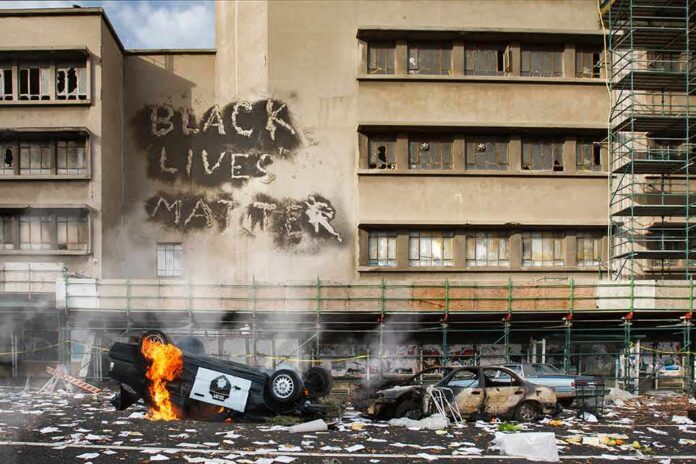
Footage and reports showed fires in multiple cities, smashed storefronts, and running battles with riot police. In Limoges, a 19th-century town hall caught fire, and part of the structure collapsed. A local prefect called the fire deliberate, underlining the attack on a public institution. These details gave the government a concrete case of alleged arson beyond normal protest disorder. The damage placed pressure on leaders to respond with arrests and visible enforcement.
Arrest totals were inconsistent across outlets, reflecting different time cuts or sources. The British Broadcasting Corporation cited about 1,200 arrests via the prime minister, while National Public Radio reported about 1,800, and Agence France-Presse reported nearly 2,400. Injury counts for police also varied. These gaps do not erase the violence, but they do limit precision. Clear, dated data from the Interior Ministry would help the public judge scale and trends with confidence.
The Protesters’ Stated Grievances
Protesters, students, and unions framed the marches around everyday pressures. They cited rising living costs, high fuel prices, and poor school conditions. Students pointed to overcrowded classes, teacher shortages, and worn buildings. The General Confederation of Labour called for higher wages and pensions, lower prices, and protection of public services. These demands suggest a social and economic dispute, not an announced plan to overthrow the Republic, even as riots marred many scenes.
Participation estimates also diverged. Authorities put the turnout near 550,000 nationwide, while organizers claimed roughly 800,000. Large, mixed crowds make it hard to separate peaceful marchers from small groups bent on violence. That is why case-level evidence matters. Arrests show enforcement, not guilt. Final court outcomes will determine who broke the law and who did not. Without those records, the public sees motion, not resolution.
How Accountability Should Work
French law allows the state to prosecute people who assault officers, burn buildings, or loot shops. Citizens also expect fair treatment and proportionate force. Past cases show both sides of this balance: convictions for violent rioters and, at times, penalties for officers who used unlawful force. A credible path forward would publish charges, evidence, and judgments in the highest-profile incidents, including Limoges, to build trust across the political spectrum.
FRANCE ERUPTS: 550,000 DEMONSTRATE, A HISTORIC CITY HALL BURNS, AND MACRON PROMISES ANSWERS. WHAT WENT WRONG?
TRUTH MATTERS NEWS | INTERNATIONAL REPORT
Updated: October 19, 2026Hundreds of thousands of people marched across France demanding relief from rising living costs and… pic.twitter.com/cMLHoEj2cb
— The Patriot Party 🇺🇸 (@PatriotPartyAI) October 19, 2026
For readers in the United States, the pattern is familiar. Leaders promise order. Protesters demand change. Most people are peaceful, while a fraction turn violent and grab the headlines. When facts are murky and numbers conflict, faith in institutions erodes. The fix is not spin. The fix is sunlight. Detailed, public case files and clear injury and arrest data can show who crossed the line and who exercised a right—without fear or favor.
Sources:
youtube.com, cnn.com, itv.com, npr.org, the-gazette.co.uk, abcnews.com, scholarsjunction.msstate.edu, france24.com