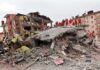
A 20-year-old Ukrainian student medic was killed by a Russian repeat missile strike while she treated the wounded, underscoring how Moscow’s war still targets civilians even as American taxpayers keep footing much of the bill.
Story Snapshot
- Russia carried out a repeat missile strike in Kyiv that killed a 20-year-old student medic as she helped the wounded.
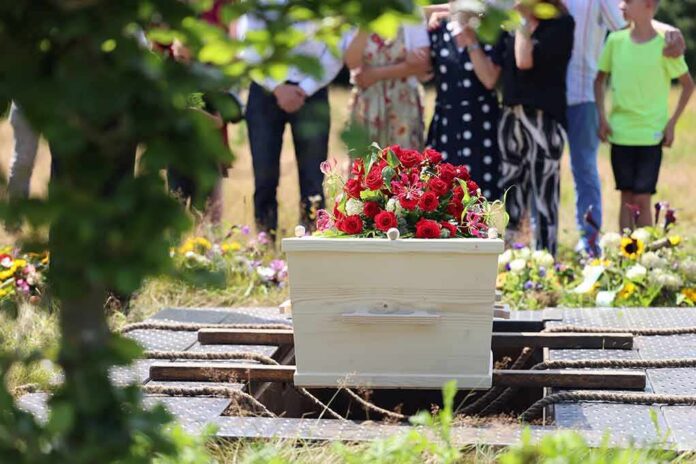
- Mourners honored her with a large funeral procession, prayers at a major cathedral, and burial at a military cemetery.
- Her university says she died rushing to rescue people during an overnight attack on the Ukrainian capital.
- The tragedy highlights ongoing civilian losses in Ukraine and raises hard questions about endless war funding and Western strategy.
Young Student Medic Killed While Treating the Wounded
Reports from Kyiv say 20-year-old psychology student Vitalina Yarovenko rushed out at night with a volunteer medical group after Russian missiles hit the city. She was part of a medical battalion that went to help people hurt in the first blast, according to her mother and university contacts. A repeat strike then hit the same area and killed her as she tried to save others, turning a rescue mission into another scene of death.
The National University of Kyiv-Mohyla Academy released a statement saying Yarovenko was a fourth-year student and an instructor in its military training center. The university said she had gone to the scene “to help rescue people” and that a follow-up strike cut her life short. Local coverage describes her as a medic and volunteer who had joined a night shift with the medical battalion, showing how young Ukrainians are stepping into harm’s way to care for the wounded.
Funeral Honors in Kyiv for a Civilian Rescuer
Video and eyewitness reports show a large crowd of mourners walking through central Kyiv behind Yarovenko’s open casket, many dressed in white and carrying flowers. A priest led prayers at St. Michael’s Cathedral as people packed the church to say goodbye to the young medic. Her mother asked for a soldier-style procession, and officials granted her burial in a military cemetery, a rare honor for a civilian killed while helping others.
Ukrainian outlets describe white flowers, embroidered shirts, and national flags at the farewell, stressing that she died saving people during a massive missile attack on Kyiv. Friends and fellow students remembered her dream of rescuing lives and said she had only recently begun working as an instructor and volunteer medic. The public ceremony fits a broader pattern in Ukraine, where communities now hold frequent funerals for civilians, medics, and journalists killed by Russian strikes.
What This Means for Americans Watching the War
The facts of Yarovenko’s death show Russia’s continued use of repeat or “double-tap” strikes that hit the same spot after rescuers arrive, a tactic Ukrainian officials say puts medics directly in the line of fire. Her case is one of several recent stories of young volunteers and students killed in missile attacks on homes, city districts, and even public events, like an arms exhibition in Kyiv region. These details paint a clear picture of a war that keeps grinding down civilians years after the first invasion.
🔴 Ukrainian medic, 20, killed in Russian double-tap strike while treating wounded
Vitalina Yarovenko, a psychology student and volunteer with the Hospitallers medical organization, was killed Saturday in Kyiv's Darnytskyi district after rushing to a Russian missile strike. As… pic.twitter.com/km2iY6a3Ea
— NewsTongue (@NewsTongueX) August 4, 2026
For American conservatives, this raises hard questions about a policy that has poured tens of billions of dollars into a conflict with no clear end in sight. Washington’s foreign policy class pushed deep involvement under past administrations, often while ignoring border security, inflation, and rising costs for families at home. President Trump has tried to steer a more America-first course, but much of the globalist framework and past spending commitments remain baked into the system.
A Human Tragedy Inside a Larger Policy Debate
Stories like Yarovenko’s remind us that war is not an abstract talking point but a series of human losses, many of them young people who wanted to heal, not harm. Her role as a student, instructor, and medic shows the kind of personal courage many conservatives respect: she chose service and personal responsibility in the middle of danger. At the same time, her death highlights how civilian casualties become part of the narrative used by elites to justify never-ending foreign entanglements.
There is no serious counter-evidence challenging that she was a 20-year-old student medic killed in a repeat Russian strike while helping victims; multiple outlets and university statements all tell the same basic story. What remains less clear from public reporting are the forensic details, such as the exact medical cause of death or the full official incident file, which have not yet been released. That gap is common in war zones, where journalists and institutions often provide the main record long before investigators publish final reports.
Sources:
youtube.com, yahoo.com, apnews.com, npr.org