New U.S. strikes on Iran and Tehran’s massive retaliation across the Gulf have shattered a fragile ceasefire and pushed the region to the edge of wider war.
Story Snapshot
- U.S. Central Command struck about 140 Iranian military targets after Iran attacked a commercial ship in the Strait of Hormuz.
- Iran answered by firing missiles and drones at roughly 85 U.S. sites in Bahrain and Kuwait, spreading the fight across the Middle East.
- President Trump and Defense Secretary Pete Hegseth say the goal is to stop Iran from choking off global shipping, not start all-out war.
- Oil prices and gas costs are climbing again, while critics question war powers and warn of a slide toward a broader conflict.
Trump Orders New Strikes After Iranian Attack on Commercial Ship
United States Central Command said American forces hit about 140 Iranian military targets in the latest round of strikes, the third such wave in a week. Commanders said the operation came after Iran’s Islamic Revolutionary Guard Corps attacked a Cyprus-flagged container ship in the Strait of Hormuz, sparking a fire and leaving at least one crew member missing. U.S. officials called Iran’s move “unwarranted, dangerous and a clear violation” of a month-old ceasefire meant to pause the wider war.
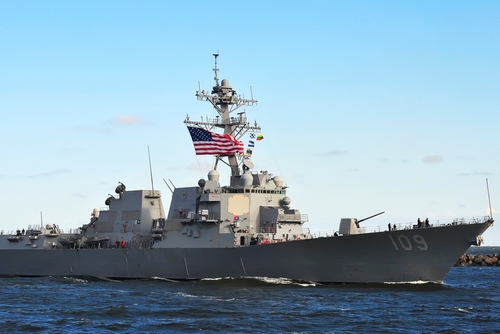
Military planners focused on Iranian missile and drone launch sites, naval assets, ammunition depots, communication networks, and coastal radar and surveillance positions that help Tehran threaten ships. Central Command said the purpose was to “degrade Iran’s ability to threaten commercial shipping in the strategic waterway,” a lifeline for global oil and gas. President Donald Trump personally directed the strikes and framed them as holding Iran accountable while keeping pressure off American troops and allies.
Iran Strikes Back Across Bahrain and Kuwait, Testing U.S. Bases
Iran quickly responded by launching waves of missiles and drones at American military positions across the Gulf. Iran’s Islamic Revolutionary Guard Corps claimed it hit 85 U.S. military sites in Bahrain and Kuwait, including major bases that help support American naval and air power in the region. Local reports described air raid sirens, intercepted missiles, and explosions near key facilities, raising hard questions about base security and the resilience of U.S. air defenses under sustained attack.
The back-and-forth comes on top of a much larger campaign that began months ago. Under Operation Epic Fury, launched on February 28, Central Command reports that U.S. forces have struck more than 9,000 Iranian targets, from missile factories to naval ships and command centers. Analysts say this has badly hurt Iran’s drone and missile capabilities, but not enough to stop retaliation or remove the risk that Tehran could still hit American troops, partners, or energy infrastructure.
Ceasefire Unravels as Media Focuses on ‘All-Out War’ Fears
The United States and Iran only recently agreed to halt hostilities under a memorandum of understanding designed to cool the war and reopen trade routes. Now both sides accuse the other of breaking that deal, with Washington pointing to ship attacks and Tehran claiming ships used “unauthorized” routes through the Gulf. Major outlets highlight the risk of “all-out war” and amplify vows of revenge from Iran’s Supreme Leader, often giving less attention to the U.S. claim of defensive action to protect global commerce.
President Trump has warned that if Iran keeps attacking ships or bases, the United States is ready to “decimate Iran” using large-scale missile salvos. Supporters see this as needed deterrence after years of Iranian proxy attacks on U.S. forces, Israel, and Gulf allies. Critics at home and abroad argue the strikes stretch international law and could breach the United Nations Charter, with over 100 legal experts questioning earlier phases of the campaign. Iran, for its part, tells its public that its own strikes are lawful “self-defense” under international rules.
Energy Prices, Congressional Silence, and What It Means for Americans
The fight in and around the Strait of Hormuz is already hitting Americans in the wallet. Oil prices jumped about 4% after the latest disruption, and average U.S. gas prices climbed toward $3.90 a gallon as markets reacted to fears of a wider shutdown of tanker traffic. For families already squeezed by years of inflation and high energy costs, another spike tied to foreign chaos feeds anger at Washington elites who failed to deter Iran earlier and still resist true energy independence at home.
So far, the White House has relied on existing war powers and has not sought a fresh Authorization for Use of Military Force from Congress, leaving lawmakers mostly on the sidelines. That silence troubles many conservatives who back Trump’s toughness on Iran but want clear limits, clear goals, and a plan to win without sliding into another endless war. As strikes and counterstrikes continue, the stakes reach far beyond the Gulf: keeping sea lanes open, shielding U.S. troops, defending allies, and protecting American families from yet another foreign-made shock to their economy and security.
Sources:
military.com, reuters.com, newsweek.com, upday.com, thehill.com, jordannews.jo, cnn.com, tass.com, en.abna24.com, state.gov, sites.duke.edu, english.news.cn, youtube.com