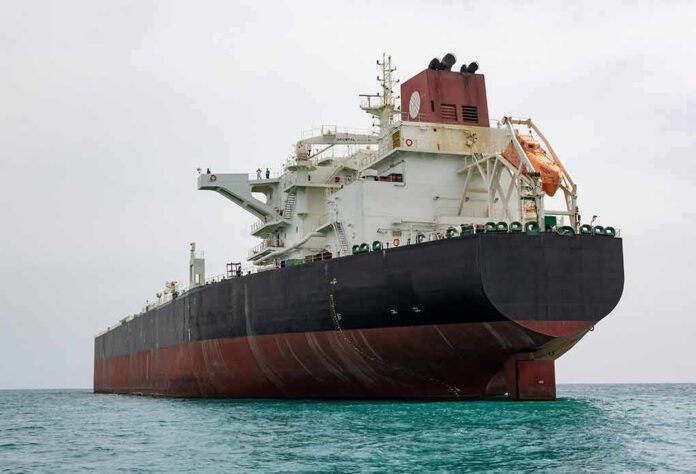
Turkish and Somali forces stormed a hijacked cargo ship after 10 tense days and killed 14 pirates to end the standoff, officials said.
Story Snapshot
- Somali and Turkish forces freed the MV Latuf after a 10-day operation, officials said.
- Reports say 14 pirates were killed and four pirate boats destroyed during the action.
- The ship, identified as MV Latuf/Lutuf, resumed its voyage under security escort.
- The rescue highlights a wider resurgence of Somali piracy this year.
Joint Forces End Hijacking Off Somalia’s Coast
Somalia’s Ministry of Defence said Turkish Navy units and Somali forces retook the cargo ship MV Latuf after a 10-day anti-piracy operation near Jifle in the Eyl district. The ministry said the vessel was secured and moved on with its voyage under guard. Independent maritime reporting matched the core account, noting Turkish commandos on a frigate supported the assault to end the hijacking that began almost two weeks earlier.
The reported operation followed a seizure near Puntland’s coast on August 20. Outlets identified the ship as the Cameroon-flagged MV Lutuf, previously described in reports as carrying Turkish weapons, according to an unnamed official cited at the time. Reports on the rescue aligned on the ship’s identity and location, tying the retaking to the same vessel seized off Eyl and later freed off Jifle in the Nugaal region.
Casualties And Pirate Assets Destroyed
Somali officials and multiple outlets reported 14 pirates were killed in the action and said four small pirate craft used in the hijacking were destroyed. The figures appeared consistently across coverage that cited the same ministry statement. While newsrooms often await detailed after-action documents, the casualty and destruction tallies remained stable in the public record over the weekend and into Monday, helping anchor the scope and scale of the fight that brought the incident to a close.
Maritime accounts also described the pirate group abandoning the ship under pressure as the rescue unfolded. Officials emphasized that the crew and vessel were brought under control and that onward movement had resumed, signaling that the threat had ended. The clear message from authorities and maritime trackers was that the ship was no longer at risk and that the sea lane in that sector had been restored to normal traffic after the 10-day disruption.
Why This Rescue Matters For Global Shipping
This rescue landed during a clear rise in piracy in waters off Somalia and across the Gulf of Aden this year. Analysts and international monitors have counted a sharp uptick in attacks since spring, reviving tactics from the 2008 to 2013 crisis years. Recent reporting tallied at least 15 attacks in 2026, putting pressure on shippers, insurers, and navies to respond faster and keep escorts close on known danger routes.
Somali pirates on Saturday released the Cameroon-flagged MV Lutuf, carrying weapons for Turkey’s military base in Mogadishu, after receiving a ransom.#Somalia’s federal government said the vessel was freed in a joint military operation by the Somali army and Turkish navy.… pic.twitter.com/hV2rO94dBp
— Somali Guardian (@SomaliGuardian) August 29, 2026
Turkey’s deeper role at sea near Somalia formed part of a broader security pact to train, equip, and rebuild Somalia’s naval forces and help patrol a long and exposed coastline. That framework put Turkish ships and personnel in position to act with Somali partners when pirates struck. The combined action here showed how joint patrols, quick response, and clear command ties can break a hijacking cycle before ransom networks gain leverage and before crews face longer ordeals at sea.
What It Means For The United States And Allies
American shippers, energy cargoes, and military logistics all depend on safe lanes around the Horn of Africa. Piracy spikes raise insurance costs, delay cargo, and can push prices higher at home. Allies who step up patrols and force pirates to stand down help protect those routes without adding endless new missions for the United States Navy. Strong partners taking initiative, as seen off Eyl, support the shared goal of secure trade and fewer chances for criminals to hold crews hostage.
Sources:
thegatewaypundit.com, rt.com, defensemirror.com, x.com, democrata.es, en.wikipedia.org, facebook.com