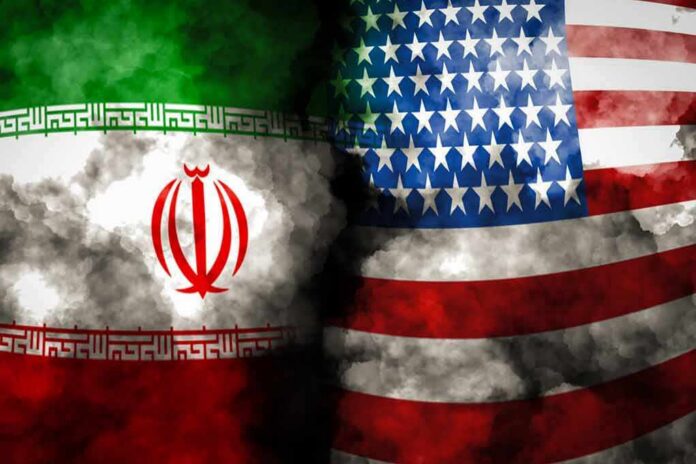
Iran’s Supreme Leader told Muslim nations, especially Gulf countries, to identify their “real enemy” and named the United States and Israel as that enemy in a rare written message.
Quick Take
- Ayatollah Seyyed Mojtaba Khamenei issued a written message urging Muslim countries to unite and “confront” their “real enemy.”
- The message named the United States and Israel directly, calling them “sworn enemies” of Muslim unity.
- The statement came out as Shia Muslims marked the Prophet Mohammed’s birthday during Iran’s annual “Unity Week.”
- Iranian state media and Reuters both confirmed the message, though they highlighted different parts of it.
A Rare Written Appeal Targets Gulf Rulers
Iran’s Supreme Leader published a written message on August 30 urging Muslim countries, especially those in the Persian Gulf, to “identify your real enemy, understand his plan and confront it.” He warned that division among Muslims only helps their adversaries. Reuters reported the message called for unity, cooperation, and mutual defense among Muslim nations.
The message went out on Khamenei’s Telegram account, according to Reuters, giving it wide and immediate reach beyond Iran’s own state broadcasters. That distribution method let the statement spread quickly across social media and international outlets within hours of its release, well before most Gulf governments had a chance to respond publicly.
United States And Israel Named As Adversaries
Several outlets, including Hong Kong’s RTHK, quoted the message as calling on Muslim countries to unite against “the United States and Israel” by name. Iran’s own Press TV carried even sharper language, quoting the message as saying “the criminal rulers of the United States and the illegitimate Zionist regime are sworn enemies of this unity and friendship”.
Press TV also reported the message framed the United States and Israel as hostile to the entire Muslim community, not just Iran. That framing pushes the message beyond a simple defense of Tehran’s own interests and casts it as a call to action for Muslims everywhere, regardless of their views on Iran’s government or its regional conflicts.
Message Tied To Annual Religious Commemoration
The statement arrived during what Iran calls “Unity Week,” a yearly period marking the Prophet Mohammed’s birthday that Iran’s government has observed since 1980. Iranian leaders have long described this week as more than symbolic. Past messages have called Muslim unity “not a political tactic” but a matter of religious belief, a theme repeated in this year’s statement.
That pattern suggests the message fits a decades-old communication style rather than a sudden new policy shift. Iranian leadership has repeatedly used the same week to promote unity messaging aimed at both Shia and Sunni audiences, often while also criticizing Western and Israeli policy in the region during the same remarks.
🚨 #BreakingNews: Iranian Supreme Leader Mojtaba Khamenei called for regional solidarity, questioning whether Palestinians would have faced such oppression and whether Persian Gulf nations would face ongoing instability if Muslim countries were unified.
Khamenei argued that… pic.twitter.com/aVUDj9ypK0
— X-K (@ConflictRadarME) August 30, 2026
Coverage of the statement split along familiar lines. Reuters emphasized the call for Gulf cooperation and unity, while Iranian state outlets such as Press TV and Tasnim highlighted the sharper language aimed at Washington and Israel. Both reflect the same underlying text, but the differing emphasis shows how the same message can be read as either regional diplomacy or confrontational messaging depending on the outlet.
No Gulf government, the United States, or Israel had issued a public response to the message at the time it was reported. The absence of immediate reaction leaves open how regional powers will interpret the appeal, but it does not change what Iran’s Supreme Leader said or how state media presented it to audiences across the Muslim world.
Sources:
facebook.com, anews.com.tr, internazionale.it