Iranian forces didn’t spray missiles at random across the Persian Gulf — they hunted down the exact machines that keep the world’s oil and gas moving, and Gulf governments reportedly hid how bad the damage really was.
Story Snapshot
- A new investigation found 135 drone and missile strikes on 84 sites across seven Gulf countries.
- Iran reportedly hit precision targets: an oil manifold in Fujairah, cooling units at Qatar’s Ras Laffan gas plant, and a power substation at the UAE’s Barakah nuclear plant.
- Gulf governments issued at least 34 statements blaming the damage on falling debris, not direct hits.
- Some Gulf states reportedly made it a crime to share photos of the damage, limiting outside checks on the real story.
- The pattern suggests Iran aimed at alternate oil routes built to dodge a blockade of the Strait of Hormuz.
Investigation Finds a Pattern, Not Chaos
An investigation published October 15, 2026, used satellite images, video, official records, and 36 interviews to map out the damage. It found 135 drone and missile strikes against 84 infrastructure sites spread across seven Gulf countries. Many targets were not sprawling facility grounds but small, specialized equipment only a few meters wide — gear whose destruction could shut down an entire plant.
Fourteen outside experts reviewed the imagery, including 11 people who work in the affected industries. They judged it highly unlikely that falling debris caused the damage, pointing instead to signs of direct explosive impact and the strategic value of what got hit. That finding challenges the official line Gulf governments have pushed since the strikes began.
Energy Lifelines Took Direct Hits
The UAE port of Fujairah was reportedly struck at least 19 times. One strike disabled the port’s main oil-transfer manifold, a system that feeds 62 pipelines connecting storage terminals to shipping docks. At Qatar’s Ras Laffan complex, two “cold boxes” — the cooling units needed to turn natural gas into liquid for export — were destroyed, threatening a long-term slowdown in gas shipments.
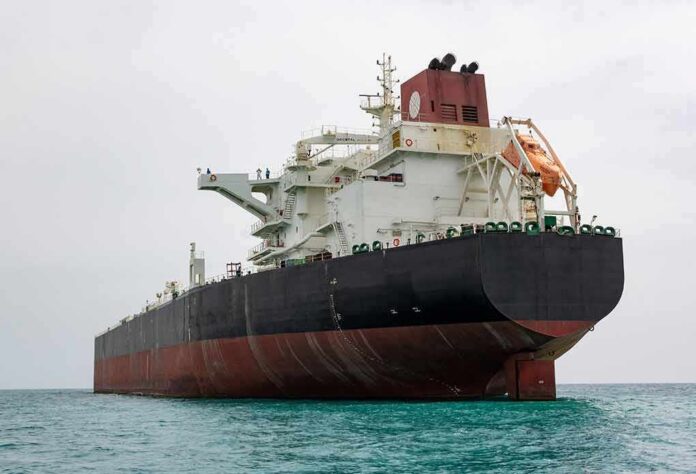
Iran also appeared to target backup export routes built specifically to avoid a blockade of the Strait of Hormuz. One pumping station on Saudi Arabia’s East-West Pipeline was destroyed outright, and two others were damaged. Hitting these bypass routes suggests a deliberate plan to choke off every path Gulf nations have for getting oil and gas to market, not just the obvious chokepoint everyone watches.
A Nuclear Plant Came Dangerously Close
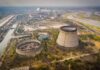
Satellite images reportedly show a strike tore through the roof of an electrical substation at the UAE’s Barakah nuclear plant, forcing one reactor to switch to emergency diesel generators. An Iranian official and two Gulf officials told investigators that Iran had obtained the plant’s floor plan and knew exactly where that substation sat. That claim rests on unnamed sources, but the physical damage to a nuclear facility is not in dispute.
Gulf Governments Downplayed the Damage
Gulf authorities responded with at least 34 official statements insisting the damage came from debris after their air defenses intercepted Iranian weapons, not from direct strikes. The UAE alone issued at least six such statements. Some governments reportedly went further and criminalized sharing photos of the damage, cutting off one of the few independent ways the public could check what actually happened.
Meanwhile, U.S. Central Command has separately pushed back on other Iranian claims about controlling the Strait of Hormuz and sinking American ships, showing Washington isn’t simply taking Tehran’s word for anything either. That leaves a murky picture: an investigation pointing to deliberate, precise destruction, and governments on the receiving end insisting it’s overblown.
💢🇮🇷 Iran’s precision strikes on critical infrastructure in the Persian Gulf during the war included at least 135 drone and missile attacks on at least 84 infrastructure sites across seven countries—Saudi Arabia, the UAE, Iraq, Qatar, Kuwait, Oman, and Bahrain—according to a… https://t.co/lOI3Z2AY8A
— Drop Site (@DropSiteNews) October 16, 2026
Why This Should Worry American Families
The Persian Gulf moves roughly a fifth of the world’s oil and a major share of its natural gas. Every disabled manifold, cooling unit, or pipeline pump is a direct threat to global supply — and to the price Americans pay at the pump and on their utility bills. A regime willing and able to pick apart energy infrastructure this precisely, while allied governments paper over the damage, is exactly the kind of threat that demands a strong, clear-eyed response rather than diplomatic happy talk.
President Trump’s administration now inherits a Gulf region where the real damage picture has been muddied by foreign censorship and selective statements. Getting the facts straight — through released satellite data, forensic evidence, and honest accounting from allies — matters for American energy security and for knowing exactly what Iran is capable of before the next round of strikes.
Sources:
marinelink.com, iranintl.com, theyeshivaworld.com, tbsnews.net, ibtimes.com