
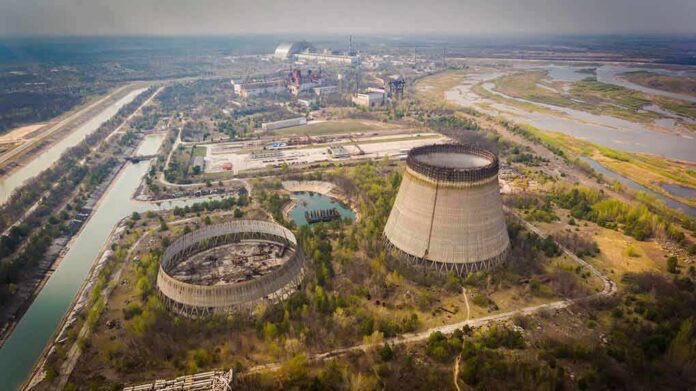
A swarm of drones struck Sberbank’s massive Balakovo data center, exposing how modern wars now target the digital backbone of money and power.
Story Highlights
- Sberbank confirmed its Balakovo data center was attacked, but said banking services stayed online.
- Regional officials said infrastructure in Balakovo continued to operate after the strike.
- Outage trackers logged user complaints across Russian platforms after the hit, though causation is unproven.
- Ukraine-linked sources say the attack is part of a broader push on Russian data hubs.
Sberbank Confirms Strike, Claims Continuity
Sberbank said drones attacked its data center project in Balakovo on October 14. The bank’s first deputy chairman stated all systems and customer services continued to operate normally and reported no employee injuries. Saratov region’s governor also said local infrastructure was functioning after the blasts. These statements paint a picture of resilience, but they did not include damage details, system telemetry, or a restoration timeline that would verify how continuity was maintained.
Reports described the site as a major facility under construction. That matters because a hit on a project site may not knock out live production systems. Redundant data centers, backup power, and traffic failover can keep services running even when one site is damaged. Sberbank did not disclose the load that Balakovo carried before the strike or which buildings, power, or cooling assets were affected, leaving outsiders to weigh partial facts against public claims.
Conflicting User Reports After the Attack
Independent monitors and media compiled user complaints involving Sberbank’s app and account access after the strike. Other Russian platforms also drew complaints, including artificial intelligence tools and e‑commerce services. These reports show disruption perceptions spread quickly across the web. However, the outlets that listed the complaints also noted they could not tie every outage to the Balakovo strike with hard technical proof such as network logs or shared power events.
Ukraine-aligned sources framed the attack as one step in a wider effort to degrade Russia’s digital capacity. A Ukrainian defense manufacturer, Fire Point, publicly claimed responsibility and linked the Sberbank strike to earlier hits on Yandex facilities. That claim described a deliberate campaign, but it did not provide a weapons description, a damage assessment, or forensic data to confirm specific impacts inside the data center campus.
Why Data Centers Are Now on the Front Line
Recent conflicts show a clear trend: physical strikes on data hubs can echo the effects of a cyberattack. Banks, logistics firms, government services, and artificial intelligence models all depend on compute, storage, and networks inside these sites. Damaging the buildings can slow transactions, break logins, and snarl payments. Analysts say this “kinetic meets digital” pattern is growing, as both sides target the other’s cloud infrastructure to create economic pain and long-term tech setbacks.
🚨 Ukrainian drone strikes target major Russian data centers, disrupting digital services across multiple regions
📌 Attacks damage 3 Yandex facilities and a Sberbank data center, affecting cloud services, digital payments, and online platforms https://t.co/YYIWD3Gz7I pic.twitter.com/avWNawdilS
— Anadolu English (@anadoluagency) October 16, 2026
The Balakovo strike follows reported hits on three Yandex data centers that caused noticeable delays for many Russian users. The Sberbank case adds a twist because the bank asserts seamless continuity while outside trackers logged customer complaints. Both can be true if the site carried a small portion of live traffic or if failover worked as designed. Without independent access, the exact damage and service impact remain unclear, and each side elevates the narrative that suits its aims.
What Matters for Americans Watching This Fight
America’s banks, payment processors, and cloud providers face the same risk profile. A hostile state, terror cell, or proxy could try to blind critical systems with low-cost drones, then push disinformation to magnify panic. The lesson is simple: harden the buildings, diversify power, and keep offsite backups ready. President Trump’s national security team has pressed resilience and domestic energy strength; this incident shows why layers of defense and rapid restoration plans are not optional.
The Road Ahead: Proof, Redundancy, and Deterrence
Sberbank’s claim of steady operations will stand or fall on data. Transaction rates, uptime records, and repair work will tell the real story. Ukraine-linked statements will carry more weight if paired with verifiable imagery, geolocated damage, and consistent timelines. For now, the established facts are a drone strike on a key Russian banking site, official denials of major disruption, and user complaints that lack a clear technical bridge back to the blast zone. That gap invites more tests.
Sources:
insiderpaper.com, charter97.org, epravda.com.ua, politico.com