
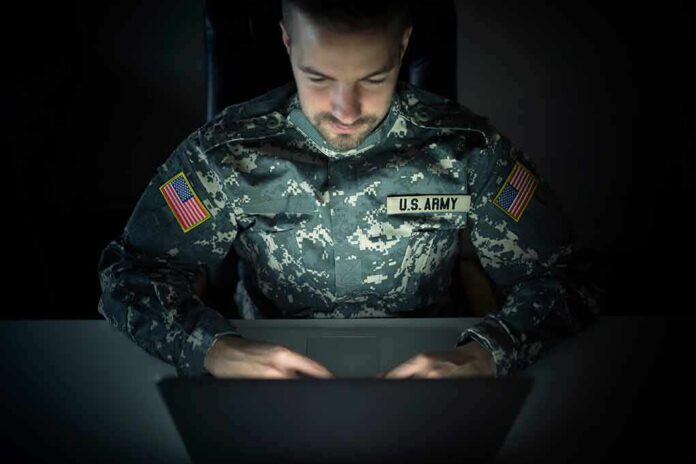
AI-made videos of fake wounded veterans are tricking patriots into buying cheap overseas junk disguised as “handmade” military merch.
Story Highlights
- Reporters found dozens of accounts using fake injured “veterans” to sell merchandise.
- Videos show telltale AI errors, like injuries changing and recycled scripts.
- TikTok removed 45 accounts after investigators flagged them.
- Veteran groups warn that deepfake scams are rising fast and target patriotic buyers.
Coordinated Deepfake Merch Push Targets Patriot Buyers
Investigators at the British Broadcasting Corporation (BBC) reported a wave of social videos showing “veterans” with visible wounds begging viewers to support their small shops. The accounts sold flags, wreaths, carvings, and other patriotic goods. The BBC identified 45 similar TikTok accounts and found more on Facebook, Instagram, and YouTube. The platforms hosted clips designed to trigger sympathy and fast purchases. The report said the content looked professional and unusually polished for solo sellers.
The BBC said many videos raised red flags. Injuries shifted between takes. Backstories copied the same lines across different personas. Some products shown did not match the items listed for sale. After the BBC shared its findings, TikTok removed the 45 accounts it had identified. That step showed platforms can respond, but it also showed how long these schemes can run before action. The report warned more copycats likely remain online.
Evidence Suggests AI Fabrication, Not Real Veterans
Commentary videos reviewed several accounts that used the same emotional script with different “veterans,” including changes in race and voice, to see which version sold better. One channel featured an eye patch that appeared to “heal” mid-clip, a classic sign of synthetic editing. Another pitched an American eagle wreath while calling it a flag. These repeat tells suggested a playbook: lead with visible wounds, ask for grace, claim a handmade shop, then drive rushed sales.
The pattern matches what military and veteran advocates have warned about for two years. Analysts say cheap artificial intelligence tools let scammers spin up faces, voices, and sets in hours. They can mass-produce tearful monologues, swap in props, and pressure buyers with claims about medical bills or failing shops. Veteran organizations and the Department of Veterans Affairs have published step-by-step tips to spot these fakes, including reverse image searches and verifying sellers outside the app before paying.
Why This Matters to Families Who Back the Troops
Patriotic shoppers want to help wounded warriors and their families. Scammers know this and exploit that trust. When crooks steal the honor of service to sell low-quality goods, they practice a digital form of stolen valor. They also choke off real dollars that could go to actual veteran-run businesses and charities. Conservative readers value integrity, service, and country. This scheme targets those values on purpose by faking sacrifice to cash in fast.
Fraud experts say service members, veterans, and families report large losses to imposter scams every year. Artificial intelligence has made the crooks faster and bolder. The best defense is to slow down and verify. Check if the seller lists a real business address. Look up the company on state records. Read independent reviews. If a video tugs hard at your heart and pushes you to buy now, that pressure is often part of the trick.
What Platforms Did and What Still Needs Doing
TikTok removed 45 accounts that the BBC flagged. That response shows policies exist and can be used. But those accounts ran long enough to pull in buyers who thought they were helping veterans. That gap points to a larger problem: social platforms react after exposés, not before. Faster detection, clearer labels for synthetic media, and better seller verification would protect users who want to support military families without getting burned.
This Chinese AI scam is hitting emotional buttons you didn’t even know you had to press. A “veteran” angle, a shrine-like tribute, and then—boom—patriotic merch. The moment you start to doubt it, a twist hits that’s so on-brand for the online con: sincer… https://t.co/d0WWtEtjWO pic.twitter.com/993HKH7J55
— UnfilteredAmerica (@NahBabyNahNah) September 27, 2026
Consumers also need simple, practical steps. Buy from known veteran-owned shops listed by established registries. Use payment methods with buyer protection. Be cautious with live streams or emotional pleas that dodge basic questions about units, service dates, or verification. Real veteran makers are proud to share their story and their craft. Scammers hide behind changing faces, recycled lines, and too-good-to-be-true discounts that vanish after checkout.
Sources:
redstate.com, bbc.com, bbc.co.uk