A Minnesota man who hunted down elected officials at their homes will now die behind bars, after a plea deal that avoided the death penalty but still delivered the toughest federal sentence short of execution.
Story Snapshot
- Vance Boelter pleaded guilty to stalking and shooting Minnesota lawmakers and their spouses, admitting to a planned political attack.
- A federal judge sentenced him to two consecutive life terms plus 40 years, ensuring he will never leave prison.
- Boelter’s plea deal spared him from the death penalty, raising questions about how the justice system handles political violence.
- The case highlights growing fears over targeted attacks on public officials and the need to protect families and homes.
Targeted attacks on lawmakers and their families
Federal prosecutors say Vance Luther Boelter spent weeks tracking Minnesota legislators before striking in the early morning hours of June 14, 2025. He went to the Brooklyn Park home of former Minnesota House Speaker Melissa Hortman and her husband, Mark, and shot and killed both of them in their driveway. Shortly after, he drove to the home of State Senator John Hoffman and opened fire, critically wounding Hoffman and his wife, Yvette, and attempting to kill their daughter, Hope. Authorities later described the violence as the worst act of political targeting in the state’s history.
Investigators say Boelter was not acting on impulse but followed a deliberate plan. A federal complaint described how he “embarked on a planned campaign of stalking and violence” designed to terrorize Minnesota lawmakers and their families. Court records and media reports note that he visited other elected officials’ homes the same night, apparently scouting additional targets, which deepened fears that the attacks could have spread even further. His focus on Democratic officials turned their private homes into war zones and reminded many that political disagreements can now bring deadly risk right to the front door.
Plea deal trades death penalty for life behind bars
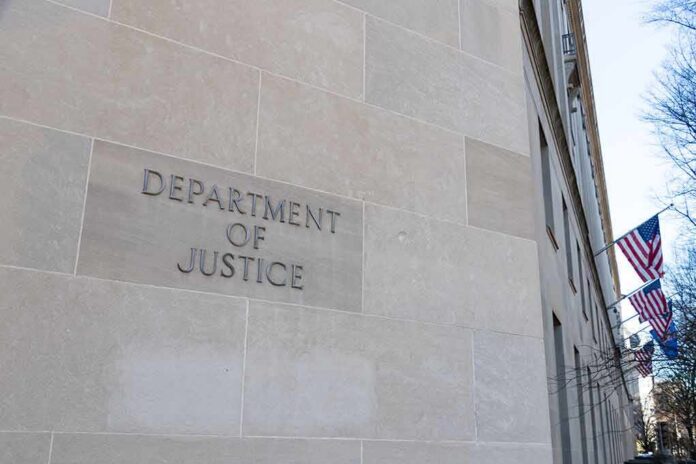
After months of legal maneuvering, United States Attorney Daniel Rosen asked the Department of Justice to decide whether to seek the death penalty. Prosecutors ultimately agreed not to pursue execution if Boelter would plead guilty to all six federal counts, including stalking resulting in death, murder through use of a firearm, and discharging a firearm during violent crimes. On June 11, 2026, Boelter stood in federal court and admitted every charge, ending any dispute over his role in the shootings. In exchange, the government locked in two life sentences plus 40 years, the harshest punishment available without putting him on death row.
On July 23, 2026, United States District Judge John Tunheim imposed that sentence, calling it the longest he has ever handed down. Two life terms plus 40 additional years in federal prison mean Boelter will die in custody and never be eligible for release. Prosecutors said the deal gave victims’ families certainty that he could not hurt anyone again while sparing them years of appeals that often follow capital cases. At the same time, the decision not to seek the death penalty in such a clear, admitted political assassination will trouble many Americans who believe extreme crimes deserve the strongest possible response.
Families, public safety, and what comes next
In court, relatives of Melissa and Mark Hortman and of John and Yvette Hoffman described how their lives were shattered in seconds. They spoke about children losing parents, spouses living with permanent injuries, and families who now feel unsafe even in their own homes. Fellow lawmakers said the attacks did not erase Hortman’s legacy but left lasting fear among public servants and their loved ones, who already face rising threats in a poisoned political climate. Many called the sentence a necessary step to show that planned violence against officials will be met with firm justice, not excuses.
The sentencing of Vance Boelter to two life sentences plus 40 years is a testament to the justice system's commitment to holding individuals accountable for heinous crimes, and it's appalling to think that such a horrific act was motivated by a twisted ideology.
— J. LEE (@JWPAX3051) July 24, 2026
Even with the federal case closed, Boelter still faces state charges, including first-degree premeditated murder and attempted murder, which carry their own life-without-parole penalties under Minnesota law. State prosecutors say they intend to move forward, sending a clear message that both federal and state systems will fully confront political violence. For citizens watching from around the country, the case is a stark reminder: when anger crosses the line into armed attacks on elected leaders and their families, it strikes at the heart of representative government and the safety of every neighborhood, regardless of party.
Sources:
youtube.com, justice.gov, nbcnews.com, wsbtv.com, hennepinattorney.org, bbc.com, facebook.com, washingtonpost.com