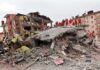
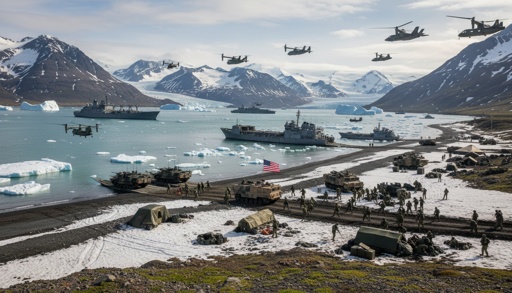
As U.S. warships and aircraft move toward Venezuela for “earthquake relief,” patriots are asking if this mission is about saving lives, securing oil, or expanding Washington’s reach in our own hemisphere.
Story Snapshot
- U.S. Southern Command is sending military ships and planes to support relief after deadly earthquakes in Venezuela.
- President Trump and Secretary of State Marco Rubio have ordered rapid search-and-rescue and medical aid, with teams already deploying.[4]
- Critics and Venezuelan media are branding the buildup an “invasion,” despite U.S. statements that troops are focused on logistics and lifesaving support.[7]
- Past U.S. operations against drug cartels and the capture of Nicolás Maduro shape how this mission is viewed across Latin America.[8][21]
Quakes, Chaos, and a Rapid U.S. Response
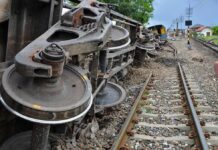
Back-to-back earthquakes in Venezuela have killed at least 188 people, crushed buildings, and overwhelmed local rescue crews.[8] President Donald Trump publicly said the United States “stands ready, willing, and able to help” and told federal agencies to move fast.[4] Search and rescue teams from Fairfax County, Virginia, and Los Angeles are deploying, bringing 30–60 trained personnel, rescue dogs, and heavy tools to reach people trapped in the rubble.[5] A Disaster Assistance Response Team is also headed in with medical supplies and humanitarian aid.[5]
United States Southern Command, the military headquarters for Latin America, confirmed it is now helping plan and move that relief.[10] Its official statement says U.S. forces are bringing airlift, logistics, and “lifesaving capabilities” to support operations in Venezuela as directed by the Department of Defense.[10] That means military planes will ferry gear and personnel, and ships offshore can stage helicopters and cargo. The focus, according to commanders, is getting aid into a damaged country where roads, ports, and airports are strained or partly destroyed.[10]
Warships, Aircraft, and Fears of Intervention
Military support comes at a time when the United States already has a large force near Venezuela. Since 2025, President Trump has used the U.S. Armed Forces to hit drug cartels he calls “narcoterrorists,” stationing thousands of troops, warships, and aircraft around the Caribbean.[6][7] In January 2026, U.S. strikes in “Operation Absolute Resolve” captured Nicolás Maduro and moved him to the United States on narco-terror charges, while Trump said Washington would “run” Venezuela and “get the oil flowing.”[21] Those earlier moves make many in the region suspicious of any new American deployment, even when it carries food and medicine.
Media outlets and Venezuelan state television are already framing the latest movements of U.S. ships and planes as a possible “invasion” instead of a rescue mission.[7][9] Caracas has responded by showing its own military on TV and talking about defending sovereignty.[9] At the same time, Southern Command’s statement does not clearly say whether U.S. ground troops will enter Venezuela for this relief effort.[10] That silence fuels speculation. Some regional voices claim Washington is using the disaster to tighten control over Venezuela’s oil and politics, while U.S. officials stress that the current focus is logistics, search and rescue, and medical care.[5][10]
Humanitarian Help Meets Hard Reality in the Hemisphere
Rubio and other officials say the United States is working with an interim Venezuelan government under Delcy Rodríguez, and with partners like Qatar, El Salvador, and Chile, to coordinate aid.[5][12] Washington recently lifted sanctions on Rodríguez and reopened its embassy in Caracas, calling this a step toward restoring democracy and elections.[8] Overhead imagery from U.S. satellites is being used to assess damage in coastal areas that are hard to reach on the ground.[5] Near-complete accountability of American embassy staff has been reported, and channels are open for U.S. citizens who need help.[5][8]
Still, some basic questions remain unanswered. The administration has not released a clear dollar figure for total aid, with officials saying it is too early to predict the full cost.[5] There is no public timeline for when all ships and planes will arrive or how long they will stay.[10] The Pentagon has not shared a detailed list of humanitarian cargo beyond medical kits and rescue tools. Past studies of Southern Command show its missions often blend humanitarian work with strategic goals like counter-drug operations and training allied forces.[18][20] That pattern leads many Latin Americans to assume that every U.S. deployment carries a second agenda.
What This Means for Americans Who Value Security and Limited Government
For U.S. conservatives, this situation raises two sets of concerns. On one hand, there is real human suffering in Venezuela. Rapid search and rescue, field hospitals, and airlift can save lives and prevent wider chaos that might send more illegal migrants north.[5][18] Helping a neighbor stabilize, especially after the removal of a corrupt socialist regime, can protect American families from future waves of crime, drugs, and instability. This matches long-standing Southern Command goals of stopping narco-trafficking and strengthening regional partners.[18][20]
JUST IN: 🇺🇸 US Navy directs USS Fort Lauderdale and USS Billings to Venezuela to support U.S. government-led earthquake relief operations.
— WAR (@War__Alerts) June 26, 2026
On the other hand, history warns us about open-ended missions that start as “temporary” and become permanent fixtures of U.S. power.[17][21] Washington already runs dozens of bases, radar sites, and training centers throughout Latin America.[17][20] Every new crisis can become an excuse for more spending, more deployments, and more operations far from home. With inflation, debt, and past globalist adventures fresh in mind, many Trump supporters want tight limits: clear goals, public oversight, and a firm exit plan once earthquake relief is complete. The balance between real compassion and guarding against mission creep will define how this operation is judged in the months ahead.
Sources:
[4] Web – U.S. Southern Command (SOUTHCOM) – Facebook
[5] Web – Trump pledges rapid U.S. aid for Venezuela after deadly earthquakes
[6] Web – As Death Toll Spikes, Venezuela’s Earthquakes Test U.S. Disaster …
[7] YouTube – Spain Decides to Deploy Military Relief Teams After Earthquake In …
[8] Web – The U.S. is sending aid after back-to-back earthquakes … – Facebook
[9] Web – Live updates: Venezuela earthquakes kill at least 188 – NBC News
[10] Web – US military helping plan Venezuela earthquake relief – Facebook
[12] Web – U.S. Southern Command Deploys Military Forces to Aid Venezuela After …
[17] Web – Gates Plans to Increase Humanitarian Missions in Latin America
[18] Web – U.S. Military Bases in Latin America and the Caribbean – FPIF.org
[20] Web – Beyond Venezuela and Cuba: The U.S. Military’s Future Operations …
[21] Web – Comparative Analysis of U.S., Russian, and Chinese Military …