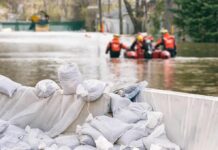
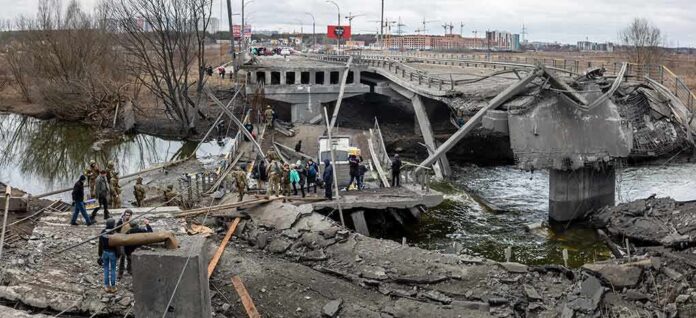
Two hydropower workers were pulled alive from a Nepal tunnel after days underground, as rescue teams push on across multiple flood-hit sites.
Story Highlights
- Officials say rescue operations continue across several hydropower tunnels after deadly floods.
- Nepal’s government reports large-scale rescues by the army under extreme conditions.
- Some sites still have workers unaccounted for, while counts vary by project.
- Crews broke into blocked tunnels and pumped air and mud to reach survivors.
Rescuers Reach Survivors As Nationwide Tunnel Operations Continue
Rescue teams in Nepal reached workers trapped underground in flood-blocked hydropower tunnels, offering a rare win as wider efforts continue at multiple sites. Government officials said operations were underway across several projects, with teams moving equipment and manpower to open passages and clear debris. Nepal’s Energy Minister set saving tunnel workers as the top focus, keeping the mission centered on life safety as crews worked around unstable slopes and thick mud. The push continues as rainfall and terrain complicate access.
Nepal’s army and emergency crews used drilling machines, excavators, and pumps to break into mud-choked sections and push air into reachable chambers. Commanders said units, backed by foreign specialists, were active at several projects in the flood zone. Officials described dangerous conditions inside the tunnels, with surging water, sediment, and unstable ceilings. Teams advanced in stages, opening paths, testing air, and securing walls before moving forward. The methodical approach helped prevent new cave-ins while raising hope for more live rescues.
Government Confirms Large-Scale Rescues While Searches Press On
The prime minister’s office highlighted major rescues already completed by Nepal’s army, crediting soldiers with pulling hundreds of workers and locals from danger during the deluge. Reuters reported the government stepping up operations to reach hundreds believed to be inside or cut off at hydropower sites, reflecting the scale and urgency of the mission. Authorities emphasized that search and rescue is not limited to a single tunnel or district. The broader push includes clearing roads, restoring communications, and stabilizing slopes to keep supply and medical routes open.
Across individual projects, counts of those unaccounted for shifted as teams gained access and confirmed who was underground versus stranded on surface sites. Local reporting noted several named projects where workers remained missing, while at least one feared entrapment site showed no people inside after a drone sweep, underscoring how fast-moving floods scrambled early assumptions. One caveat remains: early numbers varied across outlets and locations during the crisis response, and several tallies changed as on-scene checks advanced.
Why Tunnel Rescues Are So Hard In Flooded Hydropower Sites
Hydropower tunnels are large, complex structures that can hold air pockets yet fill with mud and debris during flash floods. Rescuers must map collapsed segments, drain water, and shore up walls before they can safely move forward. Reports from the scene described crews breaking into higher sections first, pushing air inside, and then cutting downward through compacted sediment. The work takes time and heavy gear. Each breakthrough risks new inflows if upstream debris shifts, so teams pace progress to protect both trapped workers and rescuers.
#WATCH | Two workers, identified as Sanjay Sah and Kabir Maharjan, were rescued alive on Friday from the Trishuli 3A hydropower tunnel in Nepal, nine days after the devastating floods. Around 115 workers are still believed to be trapped there, while at least 557 workers remain… pic.twitter.com/M5YWKPfQfX
— Pratidin Time (@pratidintime) September 4, 2026
Nepal’s hydropower corridor has faced flood damage before, especially at run-of-river projects that sit in narrow valleys. Prior research and reporting show repeated monsoon impacts, asset losses, and worker danger at similar sites, making this rescue phase part of a longer safety struggle. As crews stabilize the current disaster, officials and operators face a clear challenge: strengthen warning systems, improve tunnel safety features, and harden access routes so evacuations move faster when rivers rise. Lives and reliable power both depend on it.
Sources:
youtube.com, english.onlinekhabar.com, bbc.com, dtnext.in, abcnepal.tv, whalesbook.com, apnews.com