
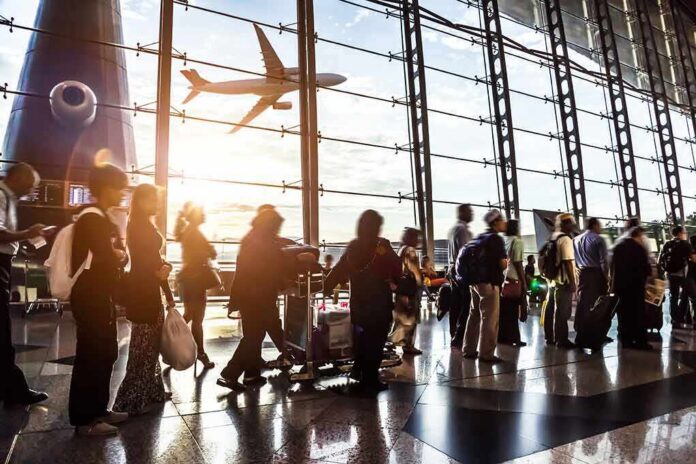
Volcanic ash from Indonesia’s Anak Krakatau shut eight airports and closed schools, stranding well over 100,000 travelers and disrupting daily life across western Indonesia.
Story Snapshot
- Authorities closed eight airports, including both serving Jakarta, due to ash from Anak Krakatau.
- Roughly 170,000 passengers and more than 1,500 flights were affected, according to official tallies.
- Jakarta schools and coastal fishing faced closures and delays in ash-affected areas.
- Closures followed global flight safety rules that treat volcanic ash as a severe risk to jet engines.
What Triggered Indonesia’s Sudden Travel Shutdown
Indonesia’s air traffic authorities halted operations at eight airports on Sunday after Mount Anak Krakatau sent ash over major travel corridors. The move covered Soekarno-Hatta International Airport and Halim Perdanakusuma in the Jakarta area, plus several regional hubs, as shifting winds pushed ash across western Java and southern Sumatra. Officials said the closure was a safety step because volcanic ash can damage engines and cut visibility, making takeoffs and landings risky.
The closures rippled fast through the network. The Associated Press reported about 170,000 stranded passengers nationwide and widespread cancellations and delays across affected airports. Indonesia’s state and local notices showed rolling time extensions as ash conditions changed through the day. That pattern matches how officials handle ash events: act early, expand closures if needed, and reopen step by step as skies clear and forecasts improve.
How Schools and Daily Life Felt the Impact
Local governments paused school activities in parts of the capital region and nearby coastal areas as ash settled on roads and rooftops. Education officials cited air quality and safety for students traveling to class. Fishing communities in zones closest to the plume delayed trips as fine ash reduced visibility and created breathing risks on small boats. Indian Express reporting noted the combined effect on schools and fishing alongside flight suspensions around Jakarta.
Families faced a patchwork of guidance: stay indoors when ash fell, use masks outdoors, and clean roofs carefully to avoid collapse from wet ash. These steps echoed earlier Indonesian ash events where public health advice centers on keeping ash out of lungs and homes. City crews worked to sweep streets and keep drains open so mud-like ash would not clog storm systems during seasonal rains.
Why Aviation Shuts Down So Quickly for Ash
Aviation agencies worldwide treat ash as a no-go hazard. The International Civil Aviation Organization warns that even thin ash can melt inside jet engines, fuse onto parts, and cause failures. Ash also sands windshields and sensors, and it can hide runways from pilots. Because of that, the quickest safe choice is often to ground flights and wait for clear readings from satellites, pilots, and ground stations before reopening airspace or individual airports.
Indonesia Volcano Eruption Leaves 170,000 Travellers Stranded as Eight Airports Closehttps://t.co/1fHzEjdyCJ
— The Asian Affairs (@AsianAffairs11) September 7, 2026
Indonesia’s network is especially exposed. Many busy routes pass near active volcanoes, so air traffic managers must balance the need to move people with the duty to protect life. Recent official statements and local reports show the same playbook here: publish airport-notice closures, reassess as winds shift, and update travelers with new windows for possible departures and arrivals. That method aims to limit chaos while keeping safety first.
The Bigger Picture: Fragile Systems and Everyday People
This eruption shows how a single natural event can bring an entire region to a stop. Travelers slept on terminal floors. Parents juggled school closures with work. Small businesses waited on shipments stuck in transit. Many readers, both conservative and liberal, see a pattern: complex systems buckle, and ordinary people pay the price. Clear plans help, but the burden still falls on families and workers when transport, schools, and supply chains seize up at the same time.
Authorities urged patience as cleanup and testing continued. Airlines prepared recovery flights once ash cleared. Schools planned staggered returns to avoid crowded commutes. The lesson is simple and sobering: safety choices save lives, but resilience matters too. Better alerts, quicker rebooking, and support for students and small businesses can soften the blow the next time ash drifts over a city that depends on smooth travel to function.
Sources:
aljazeera.com, apnews.com, id.usembassy.gov