
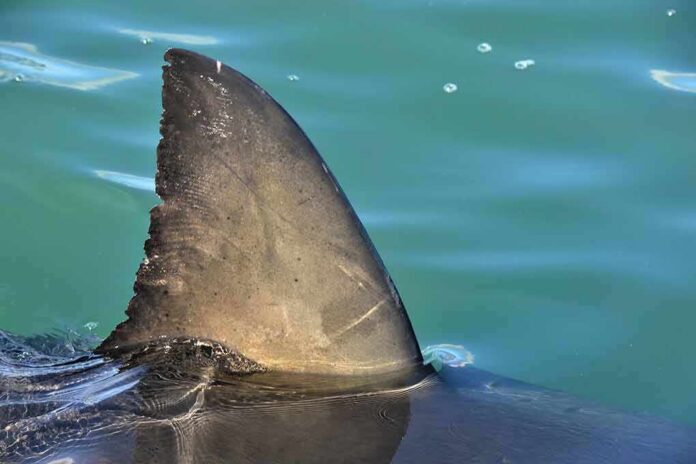
A rare catch-and-kill order followed the fatal great white shark attack that took the life of 63-year-old Greg O’Neill at Perth’s Sorrento Beach.
Story Highlights
- Police and media identified Greg O’Neill, 63, as the victim at Sorrento Beach.
- Western Australia issued a rare catch-and-kill order for a suspected great white.
- Authorities said O’Neill’s body had not been found at the time of reporting.
- Australia has seen a slow rise in shark incidents over decades, though deaths remain rare.
Victim Identified After Fatal Attack Near Shoreline
Western Australia officials and multiple outlets identified the swimmer as Greg O’Neill, age 63, who was attacked while swimming near Sorrento Beach in Perth’s northern suburbs on Friday morning. Witnesses reported a large shark striking close to shore as beachgoers watched in shock. Police said they were confident the swimmer died in the water. This attack happened at a popular, patrolled beach that draws regular morning swimmers and families throughout the year.
https://www.youtube.com/watch?v=GD2mfoMkzeo
Police and search crews worked along the coastline and offshore through the day. Reports said remains had not been recovered as of the latest updates, and the search area extended around Hillarys Boat Harbour and nearby beach access points. Officials closed the beach and posted warnings while marine officers scanned for the shark. Local authorities coordinated with fisheries teams to assess risk and manage public safety during the active response window.
Rare Catch-and-Kill Order Targets Suspected Great White
Western Australia’s fisheries leadership authorized a rare catch-and-kill order aimed at the great white shark believed to be responsible for the fatal attack. Officials said the measure was exceptional and focused on immediate public safety. Crews set capture gear off Sorrento Beach to intercept the animal during the urgent phase of operations. Great white sharks are a protected species in Australia, which makes kill directives unusual and tightly controlled by law and policy.
Some outlets reported the order being active as search and monitoring continued, with authorities weighing risk to swimmers and boaters against conservation rules. Separately, reporting in Western Australia noted officials later suspended the capture effort after the risk window passed, while warnings and patrols remained in place to protect the public along that stretch of coast. These steps fit the state’s move-quick, reassess-fast approach to shark hazards after a deadly incident.
Context: Incidents Rising Slowly, Fatalities Still Uncommon
Long-term data show shark encounters in Australia have increased from the 1990s into recent decades, with a Reuters review citing an average near 29 incidents per year over the last decade. Experts say deaths remain a small share of total encounters, even as more people enter the water and coastal use grows. Popular beaches concentrate activity and can attract bait fish, which can draw larger predators close to shore during certain conditions.
Capture gear has been set 1.5km off Sorrento Beach as the family of shark attack victim Greg O’Neill pays tribute to the much-loved swimmer.
READ IN COMMENTShttps://t.co/Sw84UCoaGc
— The West Australian (@westaustralian) September 20, 2026
Authorities and surf lifesaving groups stress simple steps reduce risk. Swimmers should stay between the flags, avoid murky water, skip dawn and dusk sessions, and heed closures and alerts. Drones, tagged-shark tracking, and patrols support safer beaches, while fast first aid can save lives when bites occur. These tools, combined with clear warnings and rapid response, help keep families safe while respecting wildlife protections that still govern most decisions after an attack.
What It Means For Beachgoers And Families
This tragedy shows how fast risk can spike at a familiar beach. Families should treat closures and alerts as firm rules, not suggestions. Local leaders in Western Australia moved quickly with a targeted order to protect the public, then adjusted as conditions changed. That sequence is a reminder to demand swift, practical action from authorities when life and safety are on the line, and to back common-sense steps that keep beaches open and people out of danger.
Sources:
abc.net.au, news.com.au, nypost.com, ladbible.com, bbc.com, sbs.com.au