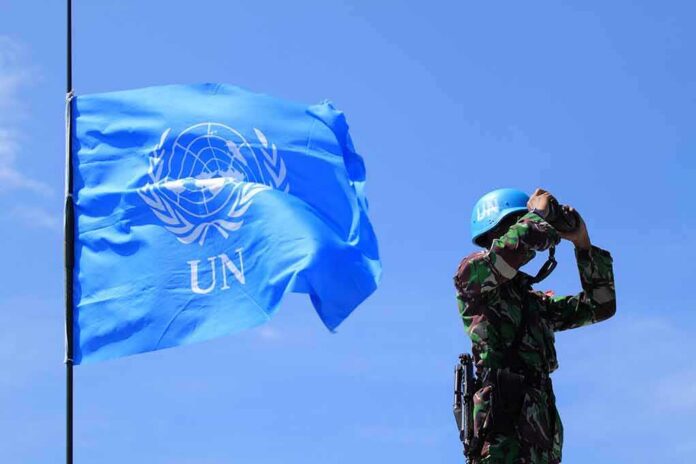
With the United Nations General Assembly now officially in session, world leaders are converging on New York for a packed week of speeches and deals that will test whether global institutions can still deliver results.
Story Highlights
- The 81st session opened in New York on September 8 under a new General Assembly president.
- High-Level Week runs September 18–28, with General Debate set for September 22–26 and 28.
- The stated theme is “Restoring Trust, Managing Transformation” amid wars, crises, and climate stress.
- Security is tight as leaders arrive, and all major meetings stream on UN Web TV.
Session Opened And Rules Set
United Nations officials opened the 81st session of the General Assembly at headquarters in New York on September 8. General Assembly President Khalilur Rahman called the first plenary meeting to order, marking the formal start of a year of work on peace, development, and human rights. The United Nations session page confirms the start date and the institutional framework. These steps create the legal and procedural base for the speeches, votes, and side meetings that define this annual moment.
The theme for this session is “Restoring Trust, Managing Transformation: A United Nations That Delivers for All”. The phrase signals two linked goals. Leaders want to repair faith in global cooperation and handle rapid change in technology, energy, and economics. United Nations News reported that the General Assembly president warned about intense conflicts, humanitarian crises, and climate pressure when he opened the meeting, showing why trust is central this year.
High-Level Week Calendar And General Debate
The United Nations lists High-Level Week for September 18–28. The General Debate, when heads of state and government deliver national statements, runs September 22–26 and September 28. The United Nations Delegates Handbook and events pages back up that timing and explain meeting formats and access rules. These dates matter for planning and for the flow of news, since the most watched speeches and many bilateral talks cluster in those windows.
The schedule includes set-piece meetings on development goals, climate action and a fair energy shift, sea level rise, pandemic prevention, the Durban process on racism, and nuclear weapons. The events page states that all these sessions stream live on United Nations Web TV, which allows the public to watch addresses in full, not just short clips. That can help cut through spin by letting viewers hear exact words and see who signs on to which pledges.
What Leaders Aim To Address
United Nations News framed the stakes as high, with wars, humanitarian strain, and climate stress all pressing at once. Many delegations will press for faster action on the development goals, financing for climate damage, and relief access in conflict zones. Others will focus on border security, technology risks, or energy costs. The shared theme of trust links these aims. If governments cannot agree on next steps, people at home will see global forums as talk shops, not problem solvers.
For the United States, which hosts the gathering, the week also tests how the system handles sharp disagreements. Speeches often include tough lines about rivals, sanctions, or alleged abuses. Still, the United Nations format gives space for side talks that rarely make headlines but can ease tensions. The calendar lists dozens of tracks where quiet progress can happen if ministers and aides use the time well.
Security, Access, And Public Friction
New York authorities and federal partners have built a major security plan for this period. The United Nations notes a full slate of live events, which means motorcades, street closures, and frozen zones around the East Side in Manhattan. That setup frustrates commuters and small businesses, but it is standard for this annual event. It also limits visibility into real-time arrivals, so cameras tend to catch only a slice of the actual diplomatic traffic moving through the city.
🚨 NETANYAHU HAS A MESSAGE FOR ZOHRAN MAMDANI AS HE HEADS TO NEW YORK:
“I am coming to the UN. I’m going to tell the truth about our heroic soldiers… and I’m going to tell the truth about you.”
The Israeli prime minister is responding to Mamdani’s repeated criticism of…
— JENNIFER (@jenn_2436_) September 22, 2026
Media coverage often jumps to the most dramatic moments, like a fiery speech or a protest outside a hotel. The institutional reality is steadier. The session is open, the dates are set, and the agenda is public. Leaders will speak in turn during the General Debate. Many will hold bilateral talks in rooms away from the cameras. Viewers can follow the full remarks through the United Nations streams, which helps separate substance from soundbites.
Why This Week Matters For Americans
American voters across parties worry that big systems fail to solve real problems. This week is a chance to measure delivery against promises. If leaders move funding for disaster relief, open access for aid, or unlock deals on energy and food, then the system shows value. If they only trade blame, public faith will sink further. The United Nations framed the year around trust for a reason. Results, not rhetoric, will decide if that trust grows or breaks.