A sudden flash flood roared down Nepal’s Budhi Gandaki River, sweeping away homes and bridges as villagers fled to higher ground.
Story Snapshot
- Authorities urged evacuations along the Budhi Gandaki River after a sudden surge.
- Reports say about 35 houses were swept away in parts of Gorkha district.
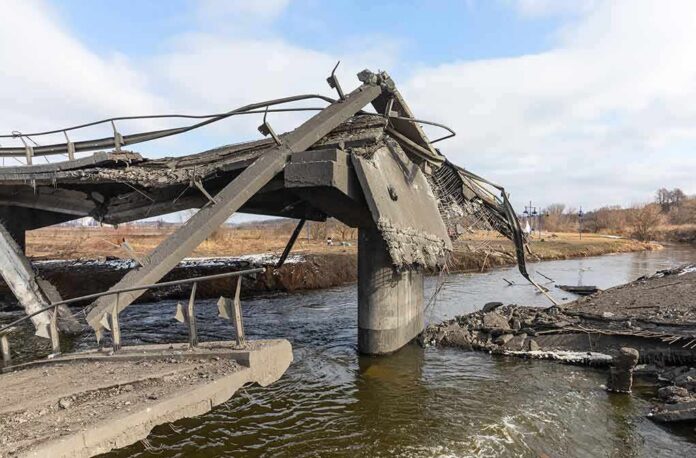
- Multiple bridges connecting mountain villages collapsed into the flood.
- An early morning landslide likely blocked the river before the burst of water.
What Happened Along the Budhi Gandaki River
On October 11, a flash flood struck river settlements in Gorkha district, Nepal. Local officials and reporters described homes torn from their banks and people moving to higher ground as the river surged. The Associated Press said police told residents to evacuate after homes and structures were destroyed along the Budhi Gandaki River’s course through northern Gorkha. The scale varied by village, but the images and accounts showed a fast, debris-filled flow that undercut roads and washed out crossings.
Nepal News, citing a rural municipality leader, reported that flooding washed away about 35 houses. Named areas included Paiyu, Bagar, Dobhan, Ghettekhola, Jagat, and Salleri in Chumnubri Rural Municipality. A district police inspector said residents in Sirdibas and parts of Dharche were told to move to safer locations. These reports placed people on the move before daylight as the river swelled and the sound of rushing water grew louder through the valley.
Bridges Lost and Villages Cut Off
Several outlets described major hits to local transport links. Coverage said two suspension bridges and one iron-and-concrete bridge were swept away. Reported spans included crossings between Nyakchet and Sirdibas, Kerauja and Machhakhola, and a bridge near Soti that linked Arughat wards. Bridge failures in this terrain do more than delay travel. They isolate clinics, markets, and schools, and they slow any relief teams trying to reach upstream settlements still at risk.
The Hindu BusinessLine also cited bridge and house losses along the Budhi Gandaki. It reported that more than 35 houses were swept away as the flood moved downstream. That figure matched the scope noted by Nepal-based outlets, though counts differed by location and time. Early numbers often change as teams reach more sites. Still, the pattern was clear: the river overtopped banks, undercut abutments, and carried debris that battered anything in its path.
Why the Flood Struck So Fast
Reports pointed to a likely trigger: a landslide that blocked the river upstream before the water burst through. Local and regional outlets placed the blockage in the Chumnubri area, between villages like Lokpa and Chumling. When such natural dams give way, they can send a sudden wave of water, mud, and rock down narrow gorges. That type of surge matches the destruction and the early morning timing residents described in Gorkha on October 11.
🚨 Nepal Flood Update | Gorkha
A flash flood struck the Budhi Gandaki River following a landslide.
Preliminary figures:
▪️ 5 people missing
▪️ 49 people rescued
▪️ Around 36 homes affected
▪️ 4 bridges damaged or destroyed
Assessments continue.#NepalFloods pic.twitter.com/zNONFjQyi2— مؤسسة الإحسان الخيرية- نيبال (@ecfnpl) October 11, 2026
Nepal’s flood authorities issued a warning message around the time of the surge, telling people to move to high places and stay away from the river. Police and local leaders relayed that warning across multiple settlements. The Himalayan Times later noted that the river level stayed above danger marks and continued to swing, which kept the evacuation alert in place. That ongoing risk made damaged roads and lost bridges even more costly in the hours after the first wave.
Human Impact and The Road Ahead
As of the first reports, local media did not list confirmed deaths, but they did note destroyed homes, cut roads, and displaced families. The scattered, high mountain setting makes quick head counts hard. It also slows rescue and survey work. Officials will need to confirm total losses, find safe sites for those who fled, and inspect slopes above the river for new slide risks. That work often takes days once helicopters and foot teams reach the worst-hit bends.
This Nepal flood highlights a wider challenge many Americans will recognize: when core infrastructure fails, regular people pay the price first. Mountain bridges in Nepal, like rural bridges and levees here at home, are lifelines for workers, farmers, and families. When warnings go out late or budgets run thin, communities end up stranded. The lesson is simple and shared across borders: build stronger, maintain what we have, and fund early warnings that save lives.
Sources:
youtube.com, thehindubusinessline.com, apnews.com, news.abplive.com, english.khabarhub.com