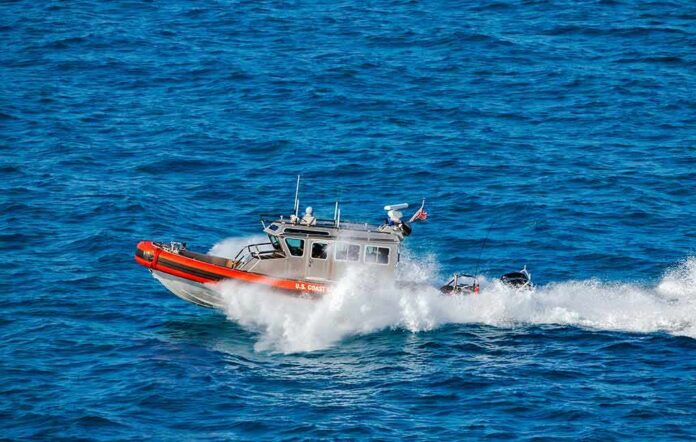
U.S. forces have destroyed at least six suspected drug boats in the Eastern Pacific in under two weeks, and the crews were never put on trial before their vessels went to the bottom of the ocean.
Story Snapshot
- U.S. Southern Command destroyed vessels on Aug. 28, and Sept. 2, 3, 5, 7 and 8, 2026, all near Ecuador.
- The military says intelligence confirmed each boat was a “floating refueling station” for the criminal group Los Choneros.
- Ecuador’s government publicly backed the strikes as part of a joint anti-drug effort with Washington.
- A New York Times count puts the wider campaign at 68 strikes and 227 deaths since it began.
- Outside legal experts say the strikes lack clear legal grounding under the rules of armed conflict.
Six Strikes in Eleven Days
U.S. Southern Command carried out a rapid string of attacks against boats in the Eastern Pacific Ocean this September. Strikes hit vessels on Sept. 2, 3, 5, 7 and 8, following an earlier hit on Aug. 28. Each press release used nearly identical language, saying forces “successfully interdicted” a vessel acting as a floating fuel stop for drug runners tied to Ecuador’s Los Choneros network.
Southern Command Commander Gen. Francis L. Donovan ordered the Sept. 2 strike, carried out by Joint Task Force Western Hemisphere in coordination with Ecuador’s government. The Sept. 3 operation followed the same pattern, with the task force again crediting classified intelligence for identifying the target before forces moved in and destroyed it.
How the Military Describes Its Intelligence
Southern Command’s public statements repeat a specific claim each time: intelligence confirmed the vessel’s role in supporting drug trafficking before any shots were fired. The Sept. 7 release stated intelligence confirmed the boat’s ties to smuggling networks operating in the region. The next day’s strike, on Sept. 8, used the same justification for a separate vessel.
One strike near Sept. 5 targeted what the military called a “multi-vessel floating refueling station,” suggesting more than one boat was destroyed in a single operation. Southern Command has not released the underlying intelligence publicly, keeping the sourcing behind each strike classified even as the strikes themselves are announced within hours.
Ecuador’s Government Backs the Campaign
Ecuador’s government said the strikes were part of joint investigations with Washington aimed at drug-trafficking networks operating off its coast. Officials in Quito defended the sinking of the vessels this week, framing the losses as a shared law enforcement win rather than a unilateral U.S. action against Ecuadorian citizens or property.
3)US sinks an Ecuadorian boat in the Pacific it alleges is tied to drug trafficking and the designated Los Choneros.
The sunken vessel was the fifth targeted by U.S.forces in less than two weeks in operations whose overall legality critics have questioned. https://t.co/ZDyBLWqXjp— Mila (@Milatrud11) September 9, 2026
That cooperation matters because several of the destroyed boats were Ecuadorian-flagged, and past unilateral strikes on foreign vessels have drawn diplomatic friction. By publicly standing behind the operation, Ecuador’s government has avoided the kind of sovereignty dispute that might otherwise follow a foreign military destroying boats near its shores.
A Wider Campaign Under Scrutiny
These six strikes are part of a much larger pattern. A New York Times analysis found the U.S. military has launched 68 attacks on suspected drug boats in the region, killing 227 people. Some lawmakers, foreign officials and independent experts have raised questions about whether the campaign follows established legal limits, even as the administration maintains it rests on solid legal footing.
The debate centers on whether destroying boats and killing crew members, without arrest or trial, fits within traditional law enforcement rules or stretches military force beyond its normal role. That question has followed the campaign since it expanded earlier this year, regardless of political party, because it touches on how far executive power can reach without new