Spain’s king and queen stepped into Ceuta after a mass border surge, signaling resolve over sovereignty and border control.
Story Highlights
- King Felipe VI and Queen Letizia visited Ceuta on October 13 after a summer border crisis.
- The trip marked their first visit to Ceuta since Felipe became king in 2014.
- The visit echoed the rare 2007 royal trip that strained ties with Morocco.
- Analysts link Ceuta’s 2021 crisis to migration pressure used as diplomatic leverage.
Historic Royal Visit Underscores Border and Sovereignty Stakes
Spain’s King Felipe VI and Queen Letizia visited the North African city of Ceuta on October 13, their first trip there as reigning monarchs. The Royal Household tied the visit to support for residents after a surge of irregular crossings this summer. Reports set the dates for Ceuta and Melilla as October 13 and 14, marking the first such visit since Felipe’s accession in 2014. The move placed royal focus on a strategic border city that has faced recurring migration and security stress.
The royal program aimed to show unity and calm following months of pressure at the frontier. Local coverage framed the stop as a show of closeness to the city after a border crisis that strained services and security. Outlets described the trip as a first for the couple in Ceuta since 2014, reinforcing Spain’s message that the autonomous cities are part of the national fabric. The symbolism mattered as much as the schedule, given Ceuta’s fence lines and past flashpoints.
Ceuta’s Border Crisis: Numbers, Pressure, and Security Lessons
Researchers documented that Ceuta’s 2021 shock involved more than 10,000 people crossing in two days in mid-May, overwhelming local capacity and border controls. Analysts said the event fit a pattern where migration flows become tools of diplomatic pressure, tied to disputes like Western Sahara and broader Spain–Morocco tension. The result was a hybrid challenge, mixing humanitarian needs, law enforcement, and national security. Ceuta’s geography and fencing made it a test of Europe’s outer border, not just Spain’s.
These events left long shadows. Summer 2026 again saw irregular arrivals that prompted Madrid to tighten coordination across police, military support, and reception services. The October trip followed that renewed surge, placing the monarchy in a familiar role: signaling national resolve while agencies manage the grind of border enforcement. The visit did not change policy by itself. But it bolstered a narrative of control, order, and sovereignty that Spain wants to project to allies and rivals alike.
Diplomatic Ripples: Remembering 2007 and Managing Today
Spain’s monarchy rarely visits Ceuta and Melilla. The 2007 trip by King Juan Carlos I and Queen Sofía triggered a diplomatic chill, including Morocco recalling its ambassador and a break in ties that lasted more than two months. That precedent explains why any royal step in these cities carries weight. It is a message to citizens that the state stands firm, and a signal abroad that Spain rejects claims on its territory. Careful protocol and timing try to balance firmness with regional stability.
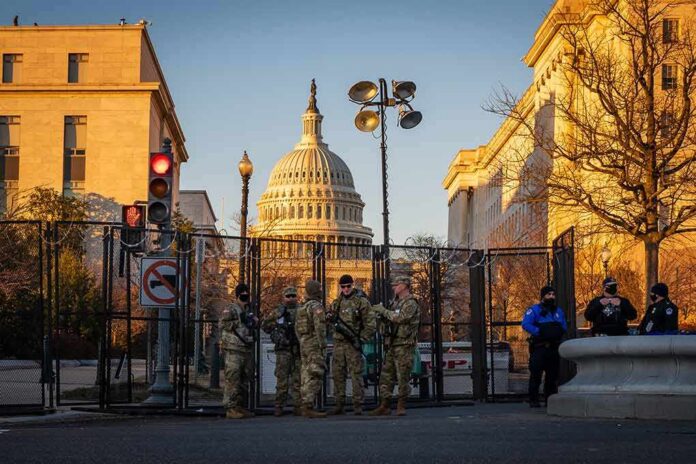
Spanish police, supported by military personnel, have cleared the last major migrant encampment in Ceuta, removing hundreds of people from makeshift shelters ahead of a planned visit by King Felipe VI and Queen Letizia. https://t.co/f0YlDwsckI
— Migrant Affairs (@MigrantAffairs) October 12, 2026
This month’s visit kept that balance. Spanish reporting emphasized support for Ceuta’s people, continuity of sovereignty, and European responsibility on borders. For Americans watching Europe’s frontier struggles, the lesson is simple. Borders matter. Signals matter. When states project clarity, they help deter pressure tactics that mix mass migration with political demands. When they hesitate, chaos grows. Spain used this visit to communicate resolve, even as the real work continues at the fence and in diplomatic channels.
What It Means for U.S. Readers Who Care About Secure Borders
Spain’s challenge mirrors debates at home. Ceuta shows how fast a border can be tested and how costly disorder becomes for locals. It also shows that symbolism must ride with action: police surges, military lift, faster processing, and clear consequences for illegal entry. Madrid’s move linked national unity with border control, a pairing American conservatives understand well. Strong institutions, clear lines, and steady enforcement protect communities and uphold the rule of law. That is the durable path to security and stability.
Sources:
euroweeklynews.com, democrata.es, casareal.es, moncloa.com, elmundo.es