
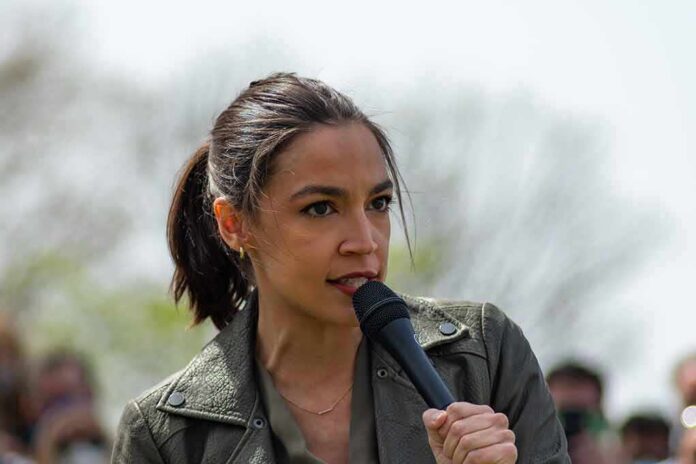
Alexandria Ocasio-Cortez says she will decide on a 2028 White House or Senate run after the midterms, keeping the left’s agenda in play for years to come.
Story Highlights
- Ocasio-Cortez says she has not ruled out running for president in 2028.
- She also left open a 2028 Senate challenge to Chuck Schumer in New York.
- She plans to make any major decision after the midterm elections.
- Reporting describes her as “truly undecided” while preserving options.
What Ocasio-Cortez Said About 2028
ABC News and other outlets reported that Alexandria Ocasio-Cortez said she has not ruled out a 2028 presidential bid and will focus on midterms first. NBC News reported she also left the door open to a Senate run against Chuck Schumer, saying “anything is possible”. The New York Post quoted her saying she will consider those choices after the midterms, adding that November results will teach her a lot. CNN framed her as “truly undecided” while she tests messages beyond her base.
Her public stance keeps several paths open. She can seek the presidency, challenge the Senate leader in her home state, or remain in the House. That posture matches a common playbook: protect flexibility until key signals, like election outcomes and donor energy, are clear. So far, there is no formal campaign filing or exploratory paperwork in public records cited by these reports, and her own words stress openness, not a launch.
Why The Timing Matters For 2028
Midterm results can reshape donor interest, activist support, and media attention. Ocasio-Cortez linked her timeline to those outcomes, saying decisions would come after voters weigh in. That choice buys time to see whether the Democratic field stays thin or new figures jump in. It also lets her measure how her national brand plays outside deep-blue areas. CNN reported she aims to reach beyond the core progressive base as she weighs options.
Political science research calls this kind of messaging “strategic ambiguity.” Candidates keep options open when the costs of committing early are high and the value of flexibility is strong. By saying “not ruling it out,” she encourages allies to imagine multiple futures, while critics cannot pin her to one plan. That is not unusual in national politics, especially years before primary voting begins. It is a way to test themes without hard promises.
What Conservatives Should Watch
Her possible runs matter because her record shows strong support for big-government plans. If she runs for president, she would likely press ideas tied to higher spending, stricter climate rules, and expansive federal reach. If she challenges Senator Schumer, she could push the Senate further left on energy, immigration, and speech rules. Her decisions after the midterms will signal which arena she thinks can advance those goals fastest.
NYT: AOC says the country never electing a female president will factor into her 2028 decision.
“This country has never elected a female president. Why are we pretending that this is not a factor?” AOC said with a laugh. “That doesn’t make it impossible, but to act as though… pic.twitter.com/NYM3j0uvqK
— Politics Watch (@politics_watch1) September 22, 2026
President Trump’s administration will face different tasks depending on her choice. A national AOC campaign could rally progressive activists around regulations that raise energy costs and control more of the economy. A Senate bid could force Democrats to compete over who is more left on taxes, guns, and border policy. Either path would shape 2028 debates about liberty, family budgets, and the size of government. For now, her timeline is set: decide after the midterms, keep options alive.
Sources:
townhall.com, nytimes.com, axios.com, en.cibercuba.com, nj.com